

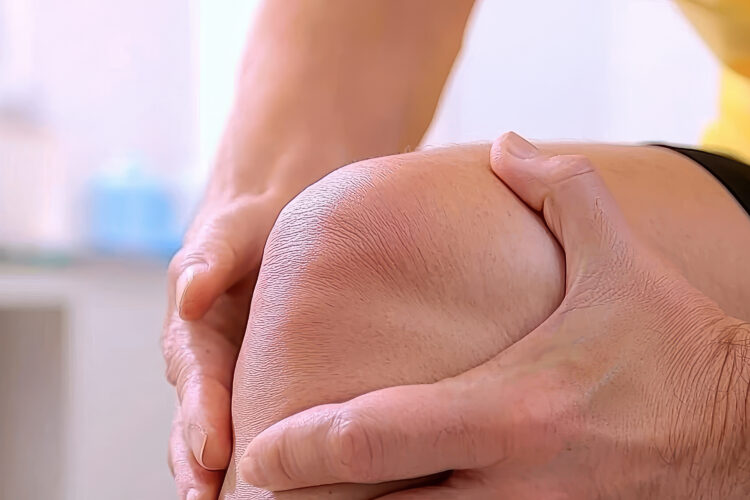
Chronic joint discomfort doesn’t have to be your default. Here’s what science — and nature — have to say about keeping your body moving freely for years to come.
More than 350 million people worldwide live with some form of joint pain. Yet most of the suffering is not inevitable — it is driven by inflammation that can be meaningfully reduced through targeted lifestyle and nutritional strategies.
Why Inflammation Is the Root of Joint Pain
Your joints are engineering marvels — cushioned by cartilage, bathed in lubricating synovial fluid, and reinforced by a complex web of ligaments and tendons. When the system hums along, movement is effortless and pain-free. But when chronic low-grade inflammation takes hold, it begins to erode these structures quietly and persistently.
Inflammation itself isn’t the enemy. Acute inflammation is the body’s brilliant first-responder system, rushing repair resources to an injury site. The problem is chronic inflammation — an immune system stuck in the “on” position, releasing a steady stream of cytokines and prostaglandins that degrade cartilage, inflame the synovial lining, and sensitize pain receptors over time.
Modern life — ultra-processed diets, sedentary work, poor sleep, chronic stress — feeds this inflammatory fire. The good news? There are science-backed ways to douse it.
Anti-Inflammatory Strategies That Genuinely Make a Difference
🥗Adopt an anti-inflammatory diet
Build meals around colorful vegetables, fatty fish, olive oil, nuts, and berries. Minimize refined carbohydrates, seed oils, and processed meats — all of which elevate inflammatory markers like CRP and IL-6.
🏃Move consistently — but wisely
Low-impact movement (walking, swimming, cycling, yoga) increases synovial fluid circulation, feeds cartilage with nutrients, and keeps supporting muscles strong without stressing inflamed tissue.
💤 Prioritize deep, restorative sleep
Growth hormone — the body’s primary tissue repair agent — surges during deep sleep. Chronic sleep deprivation elevates cortisol and inflammatory cytokines, accelerating joint wear.
🧘 Manage stress deliberately
Psychological stress activates the HPA axis and promotes systemic inflammation. Practices like meditation, breathwork, and time in nature have measurable anti-inflammatory effects.
💧 Stay consistently hydrated
Cartilage is roughly 80% water. Adequate hydration maintains the shock-absorbing capacity of cartilage and helps flush inflammatory metabolites from joint spaces.
🌿 Target with evidence-based supplements
Certain botanicals and nutrients have robust research supporting their role in reducing joint inflammation and protecting cartilage — the most powerful of which is curcumin.
“The greatest lever for joint health isn’t found in a prescription pad — it’s found in your daily choices about food, movement, sleep, and supplementation.”
The Science of Curcumin: Nature’s Most Studied Anti-Inflammatory
Curcumin is the primary bioactive polyphenol in turmeric, the golden spice at the heart of traditional Ayurvedic and Chinese medicine for over 4,000 years. But what ancient healers knew intuitively, modern science has now mapped at the molecular level.
Curcumin works through multiple simultaneous pathways:
NF-κB inhibition
NF-κB is the “master switch” of inflammatory gene expression. When activated, it triggers the production of dozens of inflammatory molecules that attack joint tissue. Curcumin directly suppresses NF-κB activity — essentially turning down the inflammatory volume at its source.
COX-2 and LOX pathway modulation
These enzymes produce prostaglandins and leukotrienes — the molecules that create the swelling, heat, and pain characteristic of inflammatory joint conditions. Curcumin inhibits both pathways similarly to common NSAIDs, but without the gastrointestinal side effects associated with long-term NSAID use.
Antioxidant and cartilage protection
Curcumin scavenges reactive oxygen species (free radicals) that degrade collagen and cartilage matrix proteins, while also stimulating the body’s own antioxidant enzyme systems including superoxide dismutase and glutathione.
The bioavailability challenge: Standard curcumin is notoriously difficult for the body to absorb — studies show most passes through the gut unabsorbed. This is why the delivery system matters enormously. Advanced formulations using phospholipid complexes, black pepper extract (piperine), or lipid-based nanoparticles can increase absorption by 20- to 2000-fold.
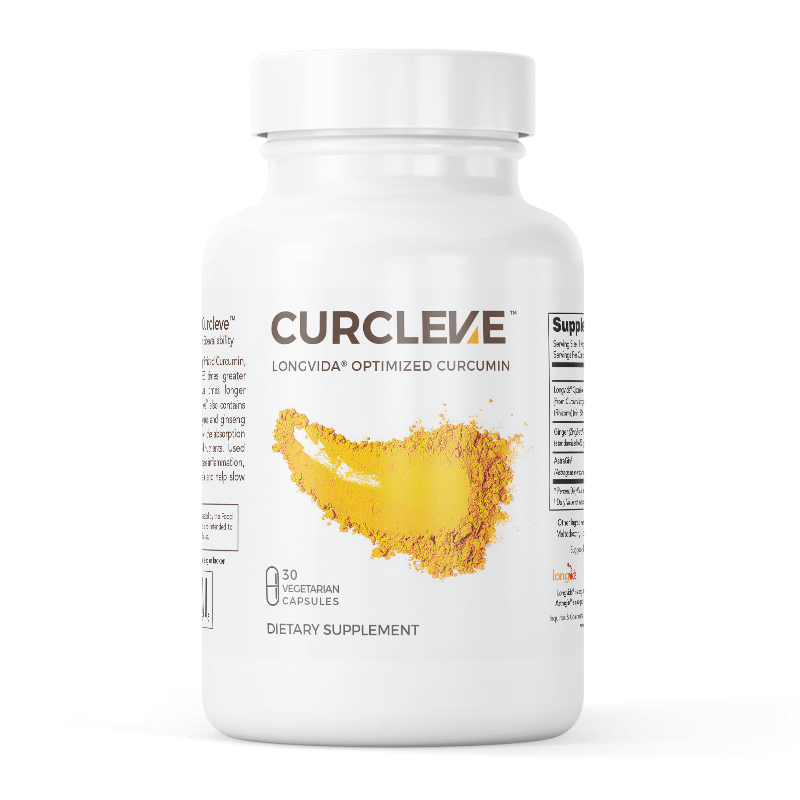
How Curcleve Addresses the Whole Joint Health Picture
Curcleve was formulated specifically for people who want the proven benefits of curcumin without the common frustrations — poor absorption, unreliable potency, and single-ingredient formulas that ignore the complexity of joint health.
Curcleve combines a highly bioavailable curcumin complex with a synergistic blend of joint-supportive nutrients, designed to work on inflammation from multiple angles simultaneously. Here’s what makes it different:
- Enhanced-absorption curcumin for maximum bioavailability
- Targets NF-κB and COX-2 inflammatory pathways
- Supports cartilage integrity and synovial fluid health
- Complements lifestyle anti-inflammatory strategies
- Formulated without common digestive irritants
- Designed for consistent, long-term daily use
- Appropriate for active adults and those with joint concerns
- Third-party quality standards for purity and potency
Unlike isolated curcumin supplements, Curcleve is built around the understanding that sustainable joint health requires a multi-pathway approach — which is why its formula is designed to work in concert with the dietary and lifestyle strategies outlined in this article.
Building Your Joint Health Protocol: A Practical Starting Point
Rather than overhauling everything at once, consider layering these strategies one at a time over 30-day intervals. Joint tissue remodels slowly — changes in cartilage health and inflammatory tone take weeks to months to manifest. Consistency over intensity is the operating principle here.
Week 1–2: Foundation
Begin with diet — removing the highest-impact inflammatory foods (refined sugar, processed oils, alcohol in excess). Add a daily 20-minute walk. Start a quality curcumin supplement like Curcleve consistently with a meal containing healthy fat (which further aids curcumin absorption).
Week 3–4: Build momentum
Layer in sleep hygiene improvements — consistent sleep and wake times, a dark and cool room, reducing screen exposure in the final hour before bed. Add two sessions of targeted mobility or strength work per week.
Month 2 and beyond: Optimize and reassess
Track your subjective experience of morning stiffness, range of motion, and activity tolerance. Most people notice meaningful improvement in these markers within 6–12 weeks of consistent implementation. The key is patience — you are changing the biology of your joints, not simply masking symptoms.
Joint pain is one of the most common reasons people accept a diminished quality of life — limiting the activities they love, affecting their mood, and creating a spiral of reduced movement that only accelerates decline. But the research is clear: inflammation-driven joint deterioration responds powerfully to the right inputs.
Whether you’re managing existing discomfort or proactively protecting your joints for decades ahead, the strategies outlined here — especially the combination of an anti-inflammatory lifestyle and a science-supported supplement like Curcleve — give your body what it needs to maintain the mobility and freedom of movement you deserve.
Ready to take the next step? Discover how Curcleve can support your joint health journey.