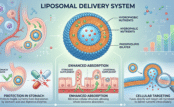


Whether you’re an athlete pushing your limits, a fitness enthusiast trying to build lean muscle, or simply someone who wants to recover faster and feel better as you age, human growth hormone (HGH) plays a central role in how well your body performs and repairs itself. Understanding how HGH works — and how to support it naturally — can make a meaningful difference in your results.
What Is HGH and Why Does It Matter?
Human growth hormone is a protein produced by the pituitary gland in the brain. It’s one of the body’s most powerful anabolic hormones, meaning it drives growth, repair, and regeneration at the cellular level. HGH stimulates the liver to produce insulin-like growth factor 1 (IGF-1), which in turn promotes muscle protein synthesis, bone density, fat metabolism, and tissue repair.
During childhood and adolescence, HGH levels are high — fueling the rapid growth and development of the body. In adulthood, HGH shifts to a maintenance and recovery role, helping repair damaged tissue, support immune function, regulate body composition, and sustain energy levels.
The problem? HGH production begins to decline steadily after your mid-20s, dropping by roughly 14 to 15 percent per decade. By the time most people reach their 40s or 50s, their HGH output is a fraction of what it once was. This decline is closely associated with slower recovery from exercise, increased body fat (particularly around the midsection), reduced muscle mass, lower energy, impaired sleep, and decreased libido.
HGH and Exercise Recovery
One of HGH’s most important roles is facilitating recovery after physical stress. When you train hard — lifting weights, running, cycling, or engaging in high-intensity exercise — you create microscopic damage in muscle fibers. HGH, along with IGF-1, signals the body to repair and rebuild those fibers stronger than before. This is the foundation of how training produces gains in strength, endurance, and muscle size.
Without adequate HGH levels, recovery is slower and less complete. You may experience:
- Persistent muscle soreness that lingers for days
- Reduced gains despite consistent training
- Higher risk of overuse injuries
- Fatigue that doesn’t resolve with rest
- Difficulty sleeping deeply, which further impairs recovery
HGH is primarily released during slow-wave (deep) sleep, which is why sleep quality is so closely tied to physical performance and recovery. Poor sleep reduces HGH output, which slows recovery, which can further disrupt sleep — a frustrating cycle that many active people fall into without realizing the hormonal component.
Factors That Suppress HGH Production
Several common lifestyle factors can blunt your body’s natural HGH output:
Poor Sleep: Deep sleep is when the largest pulse of HGH is released. Anything that disrupts sleep architecture — stress, alcohol, inconsistent sleep schedules, or blue light exposure at night — reduces HGH secretion.
Elevated Blood Sugar and Insulin: High blood sugar and chronically elevated insulin levels inhibit HGH release. This is one reason why diets high in refined carbohydrates and sugar are associated with reduced HGH output.
Excess Body Fat: Adipose tissue, particularly visceral fat around the abdomen, is metabolically active and suppresses HGH release. As HGH levels drop, fat accumulates more easily — another self-reinforcing cycle.
Sedentary Lifestyle: Physical inactivity reduces the stimuli that prompt HGH release. High-intensity exercise and resistance training are two of the most potent natural triggers of HGH secretion.
Chronic Stress: Elevated cortisol — the stress hormone — is directly antagonistic to HGH. Chronic psychological or physiological stress keeps cortisol elevated and HGH suppressed.
Aging: Even with perfect lifestyle habits, HGH naturally declines with age. This is a biological reality, though lifestyle optimization can slow the rate of decline.
How to Naturally Support HGH Production
The good news is that there are well-established strategies to encourage your body to produce more HGH naturally:
Prioritize Deep Sleep: Aim for 7 to 9 hours of quality sleep per night. Keep a consistent sleep schedule, reduce alcohol, and limit screen exposure in the hour before bed.
Train with Intensity: High-intensity interval training (HIIT) and heavy resistance training are particularly effective at stimulating HGH release both during and after exercise.
Practice Intermittent Fasting: Fasting has been shown to significantly increase HGH levels. Even a 16-hour fast can produce a noticeable spike in growth hormone output.
Reduce Sugar and Refined Carbohydrates: Managing blood glucose and insulin levels creates a more favorable hormonal environment for HGH secretion.
Manage Stress: Regular meditation, breathwork, time in nature, and adequate recovery days between intense training sessions all help keep cortisol in check.
Consider Targeted Supplementation: Certain amino acids and botanical compounds have been shown to support the pituitary gland’s natural release of HGH. This is where a well-formulated HGH support supplement can make a real difference.
How HyperGH 14x Can Help
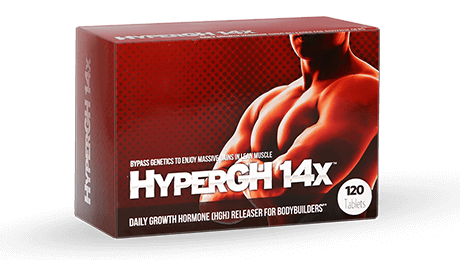
HyperGH 14x is a natural HGH support system designed specifically for men who want to optimize their body’s growth hormone production for better muscle gains, faster recovery, and improved physical performance. Unlike synthetic HGH injections — which require a prescription, are expensive, and carry significant risks — HyperGH 14x works by stimulating your body’s own pituitary gland to release more HGH naturally.
The formula combines a carefully selected blend of amino acids, botanical extracts, and other compounds that have clinical support for their role in HGH secretion. Key ingredients include:
L-Arginine: A precursor to nitric oxide and a well-studied stimulator of HGH release, particularly when combined with exercise. Research has shown L-Arginine can nearly triple resting HGH levels.
L-Glutamine: An amino acid critical for muscle repair, immune function, and metabolic activity. Glutamine has been linked to elevated HGH levels and reduced muscle breakdown after intense training.
L-Glycine: A key stimulatory agent for the pituitary gland. Studies suggest glycine can significantly enhance HGH secretion during sleep — right when you need it most.
L-Lysine: When combined with L-Arginine, L-Lysine has been shown to be up to ten times more effective at stimulating HGH release than arginine alone.
Tribulus Terrestris Extract: A botanical long used in traditional medicine to support testosterone and hormone balance, contributing to the overall anabolic environment.
Astragalus Root Extract: Known for its adaptogenic properties, astragalus supports immune function, gut health, and metabolic efficiency — all of which contribute to better recovery.
Deer Antler Velvet: A natural source of IGF-1, the downstream hormone that mediates many of HGH’s effects on muscle and tissue growth.
Gamma-Aminobutyric Acid (GABA): A neurotransmitter that promotes relaxation and deep sleep — helping to maximize the natural HGH pulse that occurs during the slow-wave sleep phase.
Colostrum: Rich in IGF-1 and growth factors, colostrum supports lean body mass, immune response, and gut integrity.
HyperGH 14x uses a dual-delivery system — oral capsules taken twice daily and an oral spray — to maximize absorption and ensure ingredients are consistently available throughout the day and during sleep, when HGH release is at its peak.
What users typically report with consistent use includes improved workout recovery, increased lean muscle development, reduced body fat, better sleep quality, and enhanced energy and stamina. These are the downstream effects of a body that is producing and utilizing HGH more effectively.
It’s important to note that HyperGH 14x is not a magic pill. It works best as part of a comprehensive approach that includes consistent strength training, good sleep habits, and sensible nutrition. Think of it as a powerful complement to the lifestyle factors that already support HGH production — not a replacement for them.
The Bottom Line
HGH is one of your body’s most important recovery and anabolic hormones, and its natural decline with age and lifestyle factors has real consequences for how you feel, perform, and recover. By understanding what drives HGH production and taking steps to support it — through training, sleep, nutrition, and targeted supplementation — you can meaningfully improve your body’s ability to repair, grow, and perform.
For men looking for a research-backed, natural approach to supporting their HGH levels, HyperGH 14x offers a well-formulated option built around the science of growth hormone optimization. When paired with a solid training and lifestyle foundation, it can be a genuine asset in your recovery and performance toolkit.