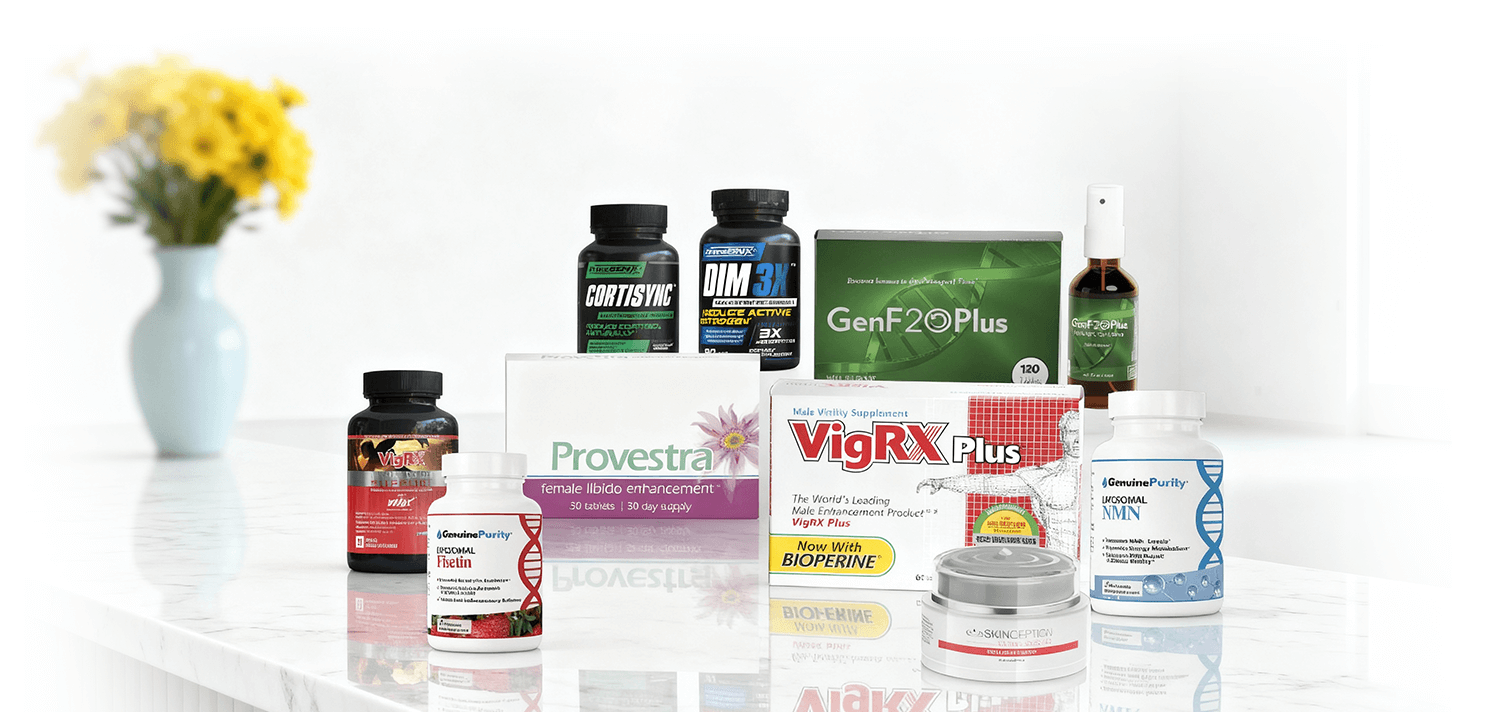
Shop Our Specials

100% Satisfaction
Guarantee
Please try our products for 60 days and if for any reason you are not 100 percent satisfied, simply return the empty containers within 67 days from the time of delivery for a full refund (excluding shipping charges).
If you wish to take advantage of the price discount by ordering multiple containers, don’t worry. Any unopened containers returned, along with your first two opened containers (within the 60 day guarantee period) will also be eligible for a full refund. How can we make this incredible guarantee? Because we KNOW you will be satisfied with our products.
Please do not ship any product back after the 67 day refund period has expired. Returns must be received back at warehouse within 67 days of delivery with no exceptions. Please feel free to try our products, but refunds are limited to one order per customer.
Real Reviews. By Real People. Just Like You!
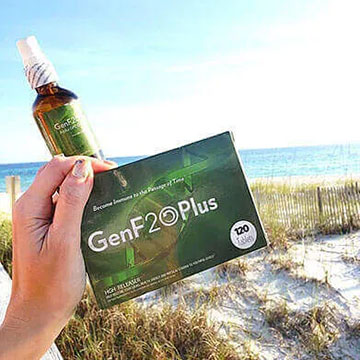
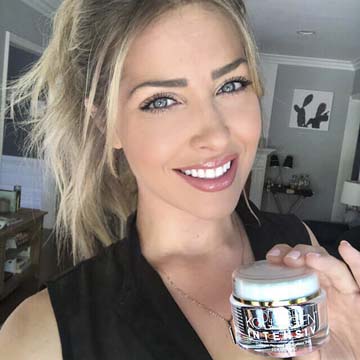
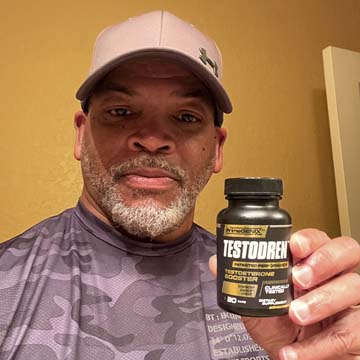
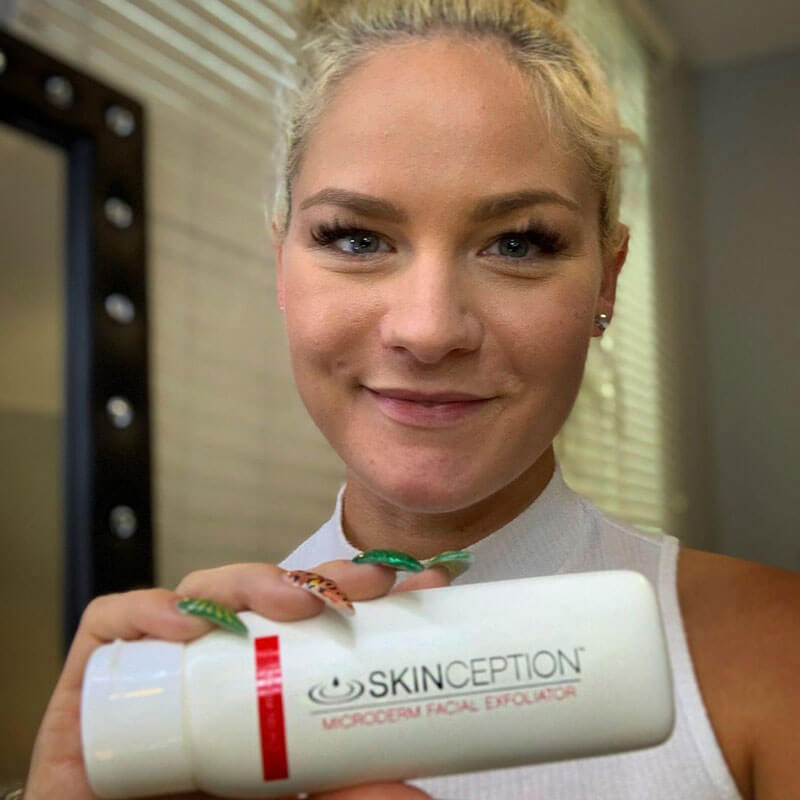
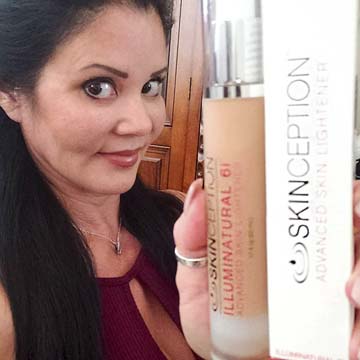
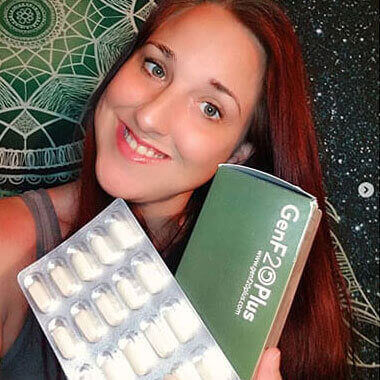
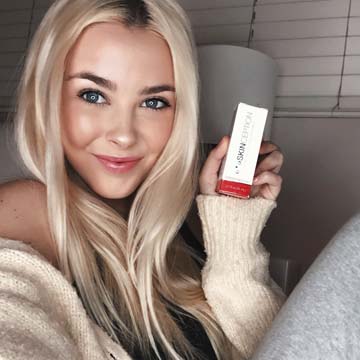
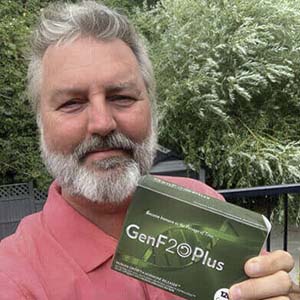
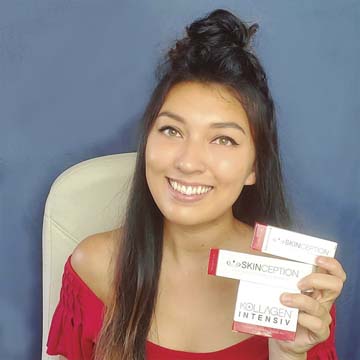
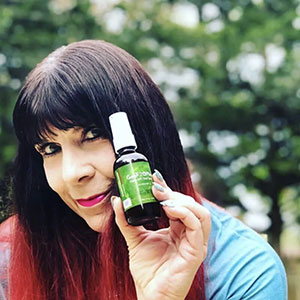
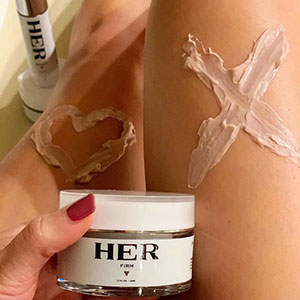
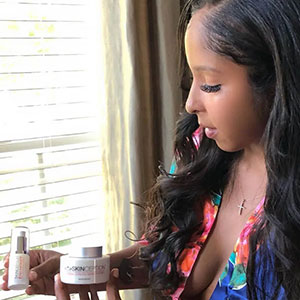
When our customers experience the life-changing results that our products deliver, we don’t have to tell them to recommend us to their friends. They voluntarily share their exciting results all over popular social media platforms. Just take a look for yourself and see what the buzz is all about.
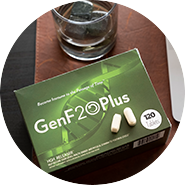
Everyone Says I Look 35…And I’m 50!
I Have alwayd been very afraid of aging, you know, becoming old and useless and unattractive.
When I…
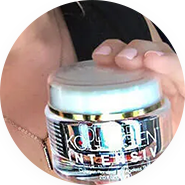
Fantastic Product!
The creamy substance quickly dissapears into the skin, leaving a remakable softness. I trully am impressed. It also…
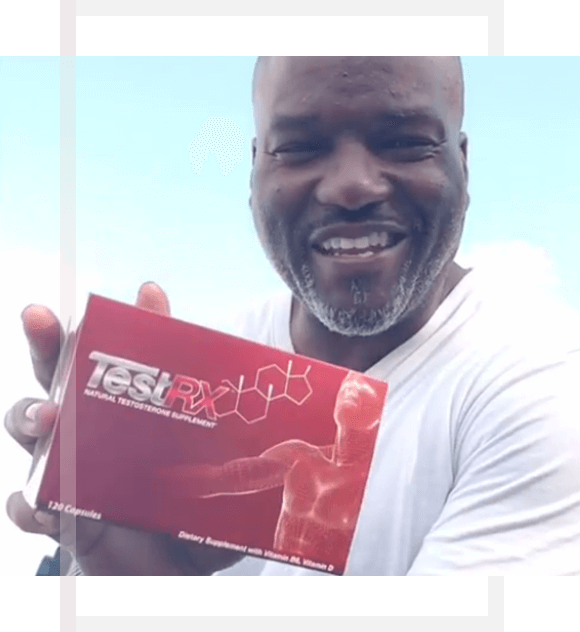
Men’s Health
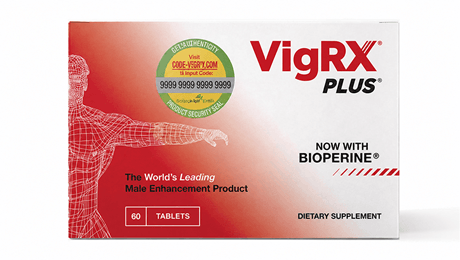
Improve energy, virility, and sexual performance naturally, without using prescription drugs.
Shop men’s HealthWomen’s Health
Feel more youthful, beautiful, and sexy with natural daily supplements, skin care products, and more.
Shop Women’s Health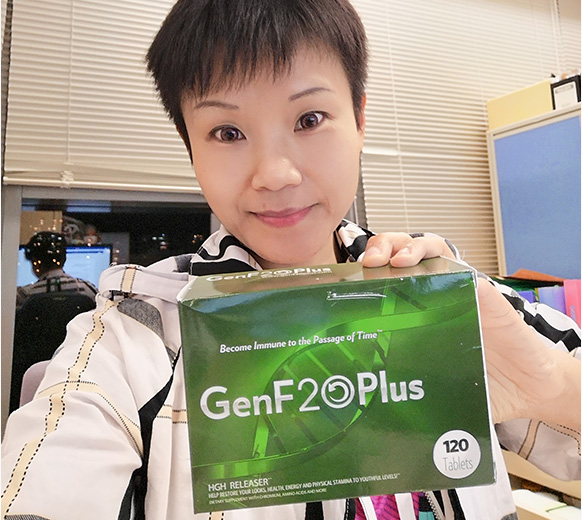
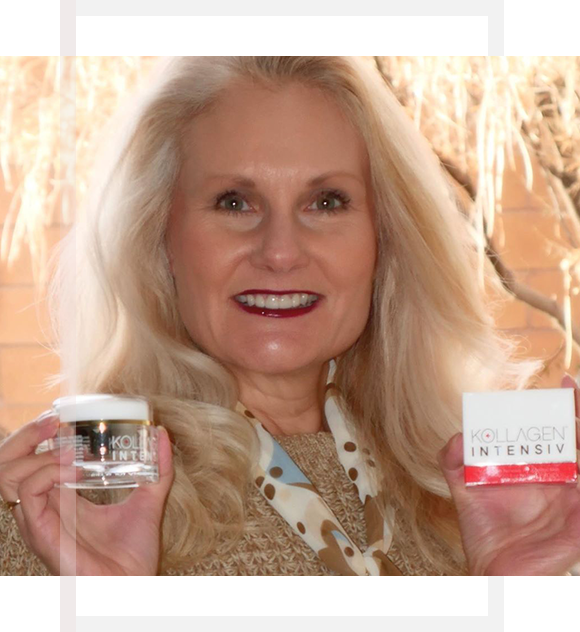
Anti-Aging
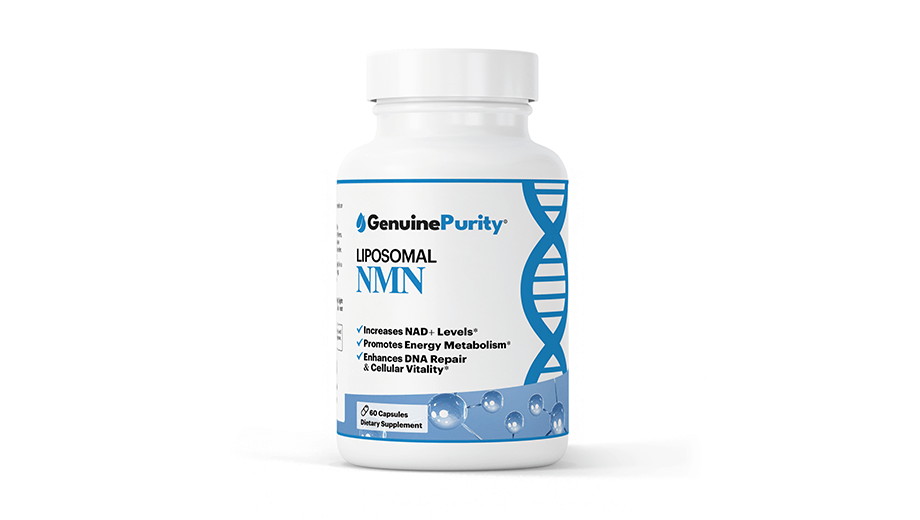
Turn back the clock with Leading Edge Health anti-aging products that can give you younger skin, more energy, a fit body, and a sharp young mind.
Shop Anti-AgingSkin Care
Spa quality creams, scientifically formulated for anti-aging, collagen renewal, rosacea relief, and more.
Shop Skin Care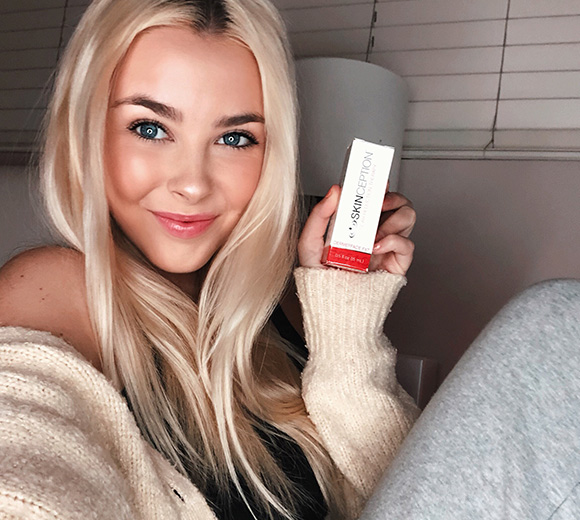
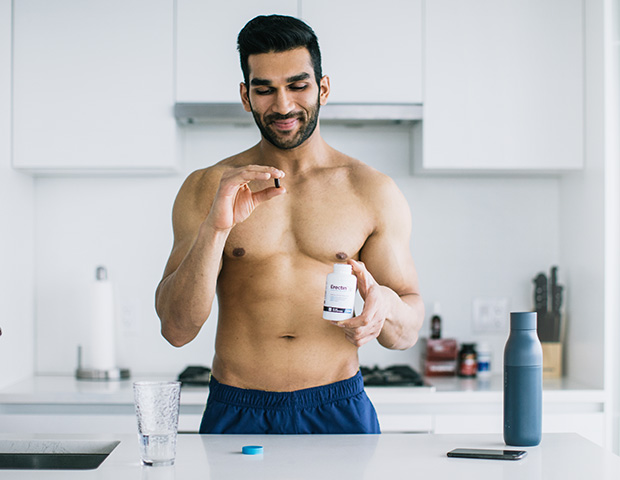
Sexual Health
Heighten sexual desire and pleasure with #1 rated, doctor-approved all-natural supplements.
Shop Sexual Health

 1 day ago
Green Tea Extract and Metabolic Rate: Separating the Real Effect From the Marketing
Walk down any supplement aisle and you’ll see green tea extract labeled as a “fat burner,” a “thermogenic,”...

 1 week ago
Tingling Hands and Feet: The Nerve Health Signal Most People Ignore
It usually starts quietly. A faint buzz in your toes when you climb into bed. Fingertips that feel...

2 weeks ago
The 3 p.m. Wall: Why Afternoon Focus Collapses and What Actually Restores It
You started the day sharp. Emails got answered, decisions got made, and your to-do list shrank. Then, somewhere...
3 weeks ago
Hydration You Can’t Drink: Hyaluronic Acid and Joint Cushioning After 40
You drink your water. You might even track it. Yet somewhere in your forties, your knees start announcing...
4 weeks ago
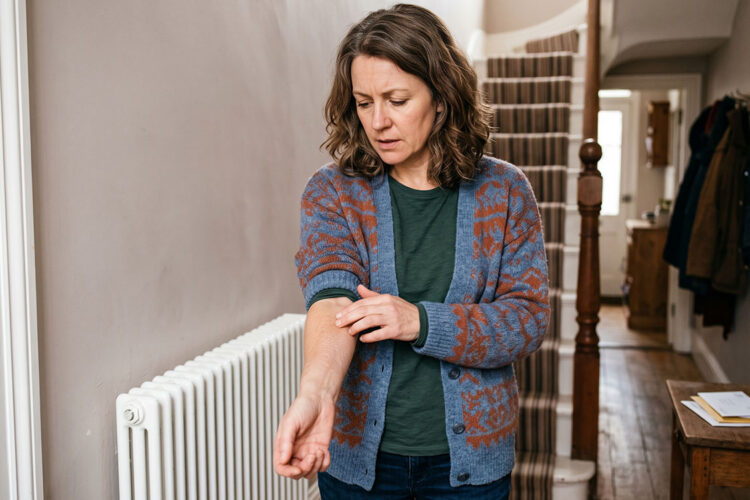
Why Skin Gets Drier the Moment the Heating Goes On (And What Actually Helps)
It happens almost overnight. The first cold snap arrives, the furnace kicks on, and within a few days...

1 month ago
Your Vitamin D Is About to Drop: What Happens to Your Levels Between September and March
Something predictable happens to your body every autumn, and almost nobody notices it while it is happening. Around...
@leading_edge_health