


Your hormones are the silent conductors of your body’s symphony, orchestrating everything from your energy levels and sleep quality to your mood and metabolism. Yet despite their crucial role, many of us know surprisingly little about how these powerful chemical messengers work or how to support their delicate balance naturally.
Welcome to Hormones in Harmony, where we’ll explore the fascinating world of your endocrine system and discover evidence-based strategies to help you feel your absolute best.
Understanding Your Endocrine System: The Body’s Command Center
The endocrine system is a sophisticated network of glands that produce and release hormones into your bloodstream. Think of it as your body’s internal communication system, with hormones serving as the messages that travel between organs to coordinate essential functions.
Major players in your endocrine orchestra include:
- The Thyroid: Regulates metabolism, energy production, and body temperature
- The Adrenals: Manage stress response, blood pressure, and metabolism
- The Pancreas: Controls blood sugar through insulin and glucagon
- The Pituitary: The “master gland” that signals other endocrine organs
- The Reproductive Organs: Produce sex hormones that affect far more than just reproduction
When this system operates in harmony, you experience steady energy, restful sleep, stable moods, and a healthy weight. But when hormones fall out of balance, the effects ripple throughout your entire body.
The Four Pillars: How Hormones Shape Your Daily Life
1. Sleep: The Foundation of Hormonal Health
Melatonin gets most of the attention when we talk about sleep hormones, but the relationship between hormones and rest goes much deeper. Cortisol, your primary stress hormone, follows a natural rhythm that should peak in the morning and decline at night. Growth hormone surges during deep sleep, facilitating repair and recovery.
When hormone balance is disrupted, sleep suffers. High evening cortisol can keep you wired at bedtime, while low melatonin production makes it difficult to fall asleep. Poor sleep then creates a vicious cycle, further disrupting hormone production the next day.
2. Mood: The Emotional Landscape
Your emotional well-being is intimately connected to your hormone levels. Serotonin influences feelings of happiness and contentment, while dopamine affects motivation and pleasure. Thyroid hormones impact mental clarity and mood stability, and sex hormones like estrogen and testosterone significantly influence emotional regulation.
Hormonal fluctuations throughout the menstrual cycle, during perimenopause, or due to chronic stress can manifest as mood swings, anxiety, irritability, or even depression. Understanding this connection helps you approach mood changes with compassion and targeted support.
3. Weight: Beyond Calories In, Calories Out
If you’ve struggled with weight despite eating well and exercising, hormones might be the missing piece of the puzzle. Insulin regulates fat storage and blood sugar. Leptin signals fullness, while ghrelin triggers hunger. Thyroid hormones control your metabolic rate, and cortisol influences where your body stores fat, particularly around your midsection.
When these hormones are imbalanced, weight management becomes exponentially more challenging, regardless of your discipline with diet and exercise. Supporting hormonal balance can help your body respond more effectively to healthy lifestyle choices.
4. Energy: Your Vitality Barometer
That afternoon slump, chronic fatigue, or feeling “wired but tired” often traces back to hormonal imbalances. Thyroid hormones directly control your metabolic rate and cellular energy production. Cortisol provides energy for dealing with stress but depletes reserves when chronically elevated. Insulin resistance can cause energy crashes after meals.
Balanced hormones mean stable, sustained energy throughout the day rather than the exhausting rollercoaster of peaks and crashes.
Natural Strategies for Optimal Hormone Health
Supporting your endocrine system doesn’t require extreme interventions. Small, consistent lifestyle modifications can create profound shifts in hormonal balance.
Prioritize Sleep Quality
Aim for seven to nine hours of quality sleep in a cool, dark room. Establish a consistent sleep schedule, even on weekends. Limit blue light exposure from screens at least one hour before bed, and consider a relaxing bedtime routine that signals to your body it’s time to wind down.
Manage Stress Wisely
Chronic stress is one of the most significant disruptors of hormonal balance. Incorporate daily stress management practices such as meditation, deep breathing exercises, time in nature, or activities that bring you joy. Remember that stress management isn’t selfish—it’s essential maintenance for your entire endocrine system.
Move Your Body Regularly
Physical activity improves insulin sensitivity, supports healthy cortisol rhythms, and promotes the production of mood-regulating neurotransmitters. Find movement you genuinely enjoy, whether that’s dancing, hiking, strength training, or yoga. Consistency matters more than intensity.
Nourish with Intention
Your hormones are built from the nutrients you consume. Focus on whole foods rich in healthy fats, adequate protein, fiber, and a rainbow of vegetables. Support blood sugar balance by pairing carbohydrates with protein or fat. Consider foods rich in specific nutrients that support hormone production, such as selenium for thyroid health and zinc for reproductive hormones.
Support with Strategic Supplementation
While food should be your foundation, certain supplements can provide targeted support for hormonal balance. Adaptogenic herbs like ashwagandha help modulate stress responses. Magnesium supports hundreds of enzymatic reactions involved in hormone production. Omega-3 fatty acids reduce inflammation that can interfere with hormone signaling.
Antioxidants play a crucial role in protecting your endocrine glands from oxidative stress, which can impair hormone production and cellular signaling. This is where targeted supplementation with high-quality antioxidant formulas can make a meaningful difference in supporting your body’s natural hormone balance.
Reduce Endocrine Disruptors
Many common household products contain chemicals that mimic or block natural hormones. Choose glass or stainless steel food storage instead of plastic. Select personal care products free from parabens and phthalates. Filter your drinking water. These small swaps reduce your exposure to compounds that can interfere with your delicate hormonal balance.
Honor Your Natural Rhythms
Your body operates on circadian rhythms that influence hormone production. Expose yourself to bright light early in the day to support healthy cortisol patterns. Eat meals at consistent times to stabilize insulin and leptin. Align your most demanding tasks with your natural energy peaks when possible.
The Power of Seasonal Living
Our ancestors’ hormone levels naturally fluctuated with the seasons, and our bodies still respond to these environmental cues. In spring, longer days and increased light exposure naturally boost serotonin production. Embracing seasonal eating patterns and adjusting your routine to match the season can support your body’s innate wisdom.
Consider incorporating more fresh, light foods as spring arrives. Take advantage of longer daylight hours for outdoor activity. Use this season of renewal to reassess your habits and make adjustments that better serve your hormonal health.
Lifestyle Strategies for Long-Term Balance
Align with Natural Rhythms
Your body operates on circadian rhythms that profoundly influence hormone production. Expose yourself to bright light early in the morning to support a healthy cortisol awakening response. This helps set your internal clock and promotes better energy throughout the day. Eat meals at consistent times to stabilize insulin and leptin signaling. Dim lights in the evening to encourage melatonin production, preparing your body for restorative sleep.
Embrace Seasonal Living
Our ancestors’ hormones naturally fluctuated with the seasons, and our bodies still respond to these environmental cues. As spring arrives with longer days and increased sunlight, take advantage of nature’s built-in hormone support. Spend time outdoors to absorb natural light, incorporate fresh seasonal foods that provide nutrients your body needs for the changing season, and use this time of renewal to reassess your habits and implement positive changes.
Practice Hormone-Friendly Eating Patterns
The timing of your meals matters as much as what you eat. Eating within a consistent window each day helps regulate metabolic hormones and supports your circadian rhythm. Many people find that including adequate protein at breakfast stabilizes blood sugar and reduces cravings throughout the day. Avoid eating late at night, which can interfere with melatonin production and the natural surge of growth hormone that occurs during sleep.
Cultivate Community and Connection
Social connection and feelings of belonging influence hormone production more than you might expect. Oxytocin, often called the “bonding hormone,” has powerful anti-stress and anti-inflammatory effects throughout the body. Positive social interactions can lower cortisol levels and support emotional well-being. Make time for meaningful connections with friends, family, or community groups. Even brief positive interactions can trigger beneficial hormonal responses.
Mind Your Sleep Environment
Your bedroom environment significantly impacts hormone production during sleep. Keep your room cool (around 65-68°F is ideal for most people), as body temperature naturally drops during sleep. Use blackout curtains or an eye mask to block light that can suppress melatonin. Consider removing electronic devices that emit electromagnetic fields, which some research suggests may interfere with sleep quality and hormone production.
Your Journey to Hormonal Harmony
Remember that achieving hormonal balance is a journey, not a destination. Your body is constantly adapting to internal and external changes, and what works perfectly one season of life may need adjustment in the next. Pay attention to your body’s signals. Notice patterns in your energy, sleep, mood, and physical sensations. These clues can guide you toward the specific strategies that will serve you best.
If you’re experiencing persistent symptoms despite lifestyle modifications, consider working with a healthcare provider who understands functional approaches to hormone health. Testing can provide valuable insights into specific imbalances and help you create a more targeted support strategy. Hormone panels, thyroid function tests, and assessments of cortisol patterns can illuminate underlying issues that lifestyle changes alone may not fully address.
The good news is that your body wants to be in balance. Given the right support, your endocrine system has a remarkable capacity to recalibrate and restore harmony. Each positive choice you make—a nutritious meal, a good night’s sleep, a moment of calm, time in nature, meaningful connection—contributes to this natural rebalancing process.
Antioxidant Support for Hormonal Balance
As we’ve discussed throughout this guide, protecting your endocrine glands from oxidative stress is essential for maintaining optimal hormone production and balance. While a nutrient-rich diet provides the foundation, targeted antioxidant supplementation can offer additional support for your hormonal health journey.
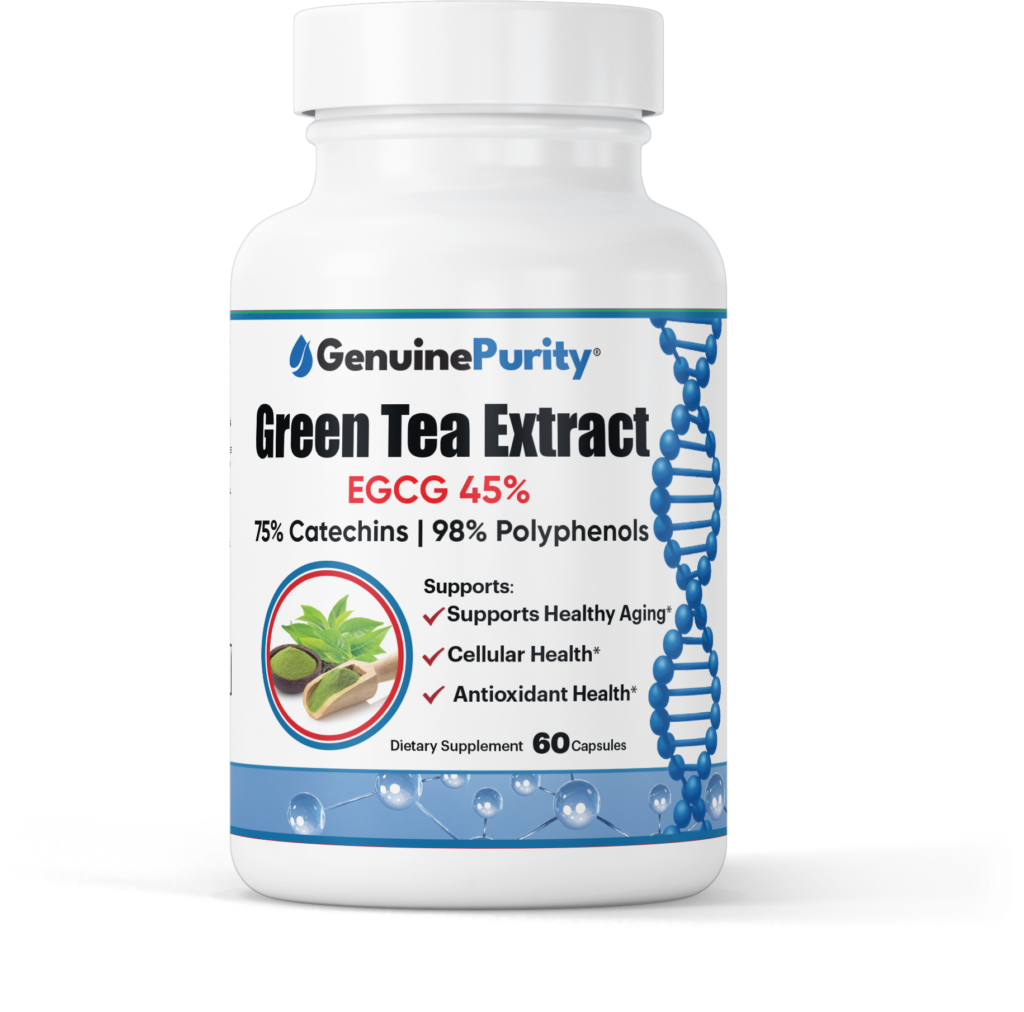
GenuinePurity Green Tea Extract delivers a concentrated profile of clinically validated antioxidants, including 98% polyphenols, 75% catechins, and 45% EGCG. These bioactive compounds work synergistically to protect cells from oxidative stress, support healthy inflammatory responses, promote cellular energy production, and contribute to overall hormonal wellness. Unlike traditional green tea consumption, which can vary widely in antioxidant content, this pharmaceutical-grade formula provides consistent, standardized doses of green tea’s most beneficial compounds with every capsule.
By neutralizing free radicals that can damage hormone-producing glands and supporting the metabolic pathways where hormones like thyroid hormone and insulin function, green tea antioxidants create a more favorable environment for hormonal harmony. The formula contains minimal natural caffeine alongside powerful antioxidants that promote steady energy without disrupting cortisol rhythms or blood sugar balance.