


A comprehensive guide to understanding one of the most overlooked markers of cardiovascular, cognitive, and metabolic health. The “canary in the coal mine” for your cardiovascular and metabolic health.
When most people think about heart health, they think about cholesterol, blood pressure, and triglycerides. Those are undeniably important — but there is another biomarker quietly working in the background that far fewer people know about: homocysteine. Despite decades of research linking elevated homocysteine to serious health conditions, it rarely makes headlines and is not routinely screened in standard blood panels.
This article explains what homocysteine is, why elevated levels are a concern, what causes them to rise, and what you can do to support healthy levels — including the role that science-backed supplements like TMG (Trimethylglycine) may play.
What Is Homocysteine?
Homocysteine is a sulfur-containing amino acid that your body produces naturally as a byproduct of metabolizing methionine, an essential amino acid found in protein-rich foods like meat, eggs, and dairy. Unlike most amino acids, homocysteine is not obtained directly from the diet — it is generated internally through a biochemical process called the methionine cycle.
Under normal circumstances, the body efficiently converts homocysteine into either cysteine (through a process called transsulfuration) or back into methionine (through remethylation). Both pathways require specific B vitamins — particularly folate (B9), B6, and B12 — as essential cofactors. As long as these pathways function efficiently and nutrient status is adequate, homocysteine levels remain low and the molecule causes no harm.
The problem arises when these conversion processes are impaired, resulting in homocysteine accumulating in the bloodstream — a condition known as hyperhomocysteinemia.
What Are Normal Homocysteine Levels?
Homocysteine is measured through a routine blood test, typically reported in micromoles per liter (µmol/L). According to the Cleveland Clinic and University of Rochester Medical Center, the generally accepted reference ranges are:
• Normal: 5 – 15 µmol/L
• Mild elevation: 15 – 30 µmol/L
• Moderate elevation: 30 – 100 µmol/L
• Severe elevation: Above 100 µmol/L
Even mild elevations — those at the higher end of the so-called “normal” range — have been associated with increased health risks, particularly as people age. Some functional medicine practitioners consider levels above 10 µmol/L to be worth monitoring proactively.
Why Do Homocysteine Levels Rise?
Several nutritional, lifestyle, genetic, and medical factors can impair the body’s ability to process homocysteine effectively:
B Vitamin Deficiencies
The most common driver of elevated homocysteine is inadequate intake or poor absorption of folate, B6, and B12. According to research from the Framingham Heart Study, roughly two-thirds of elderly study participants were deficient in at least one of these three B vitamins, contributing to elevated homocysteine levels. Older adults are particularly vulnerable because they often have reduced absorption of B12 from food.
Genetics and MTHFR Mutations
Variants in the MTHFR gene (particularly C677T) reduce the activity of an enzyme that helps convert folate into a usable form for homocysteine metabolism. The American Heart Association notes that having two copies of the MTHFR C677T mutation can significantly impair this pathway — though adequate folate intake can largely compensate for this defect. Genetic predisposition interacts closely with dietary factors, meaning two people with the same gene variant can have very different homocysteine levels based on their nutrition.
Age
Homocysteine levels tend to rise with age. The increased biological demand on methylation pathways, declining B vitamin absorption, reduced kidney function, and accumulated oxidative stress all contribute to a gradual increase in circulating homocysteine over time.
Lifestyle Factors
Smoking, excessive alcohol consumption, a sedentary lifestyle, and a diet low in fruits and vegetables have all been associated with higher homocysteine levels. The Hordaland Homocysteine Study found that homocysteine correlated with multiple known cardiovascular risk factors, including smoking and physical inactivity.
Medications
Certain commonly used medications can interfere with B vitamin metabolism or homocysteine processing. These include metformin (used for type 2 diabetes), methotrexate (used for autoimmune conditions and cancer), some diuretics, and oral contraceptives.
Kidney Disease
The kidneys play an important role in filtering homocysteine from the blood. Reduced kidney function — common in aging — is a well-recognized cause of elevated homocysteine. Research published in the journal Hyperhomocysteinemia (StatPearls, NCBI) reports that up to 85% of hemodialysis patients have homocysteine levels above the normal range.
Why Elevated Homocysteine Is a Health Concern
Elevated homocysteine has been investigated as a contributing factor in a range of serious health conditions. While the science continues to evolve and researchers debate the precise causal mechanisms, the weight of epidemiological evidence points to homocysteine as a meaningful biomarker worth monitoring.
Cardiovascular Disease
The association between homocysteine and cardiovascular disease has been studied extensively for decades. A major 1995 meta-analysis by Boushey and colleagues demonstrated a robust, independent association between elevated plasma homocysteine and coronary artery disease. More recently, a 2024 prospective cohort study published in BMC Cardiovascular Disorders, analyzing nearly 1,740 US adults with cardiovascular disease using NHANES data, found that elevated homocysteine levels were associated with significantly higher risk of both cardiovascular and all-cause mortality.
The biological mechanisms are well-understood: excess homocysteine damages the inner lining of blood vessels (endothelium), promotes oxidative stress and inflammation, stimulates the proliferation of smooth muscle cells in vessel walls, and reduces levels of protective HDL cholesterol. Research published in Circulation Research found that homocysteine reduced the synthesis of apolipoprotein A-I in the liver, which drives down HDL cholesterol — a key protective factor against atherosclerosis.
A study in the Journal of the American Heart Association (MESA cohort) found that elevated homocysteine was significantly associated with both the incidence and progression of coronary and extra-coronary vascular calcification — a key marker of cardiovascular risk — representing the first study to link homocysteine directly to vascular calcification progression.
Stroke
Mendelian randomization research published in BMC Medicine (2021) using data from the UK Biobank and other large genetic consortia found that higher genetically predicted homocysteine levels were associated with an increased risk of any stroke, with the odds ratio rising 11% for each standard deviation increase in homocysteine. B vitamin therapy that lowered homocysteine also showed suggestive evidence of reducing stroke risk, particularly ischemic stroke.
Cognitive Health and Brain Atrophy
Multiple studies have linked elevated homocysteine to cognitive decline, brain atrophy, and dementia risk. Homocysteine overactivates NMDA receptors in the central nervous system, promoting the formation of reactive oxygen species that may contribute to synaptic failure and neuronal damage. Elevated homocysteine is also associated with microalbuminuria, an early warning sign of kidney and vascular damage. MedlinePlus notes that higher-than-normal homocysteine levels have been found in individuals with Alzheimer’s disease and other forms of dementia, as well as in those with schizophrenia.
Bone Health
Data from the Framingham Heart Study cohort found that moderate homocysteine elevations (above 20 µmol/L in men and 18 µmol/L in women) were associated with a 4.1-fold increased risk of bone fracture in men and a 1.9-fold increased risk in women, compared to those with normal levels. A randomized controlled trial published in the PMC journal Treatment of Hyperhomocysteinemia found that combination vitamin therapy reduced the absolute risk of fracture by 7.1% in post-stroke patients with elevated homocysteine.
Cancer Risk
Emerging research has also connected hyperhomocysteinemia to cancer risk. A 2019 review noted that disturbed homocysteine metabolism is associated with cancer, likely due to impaired DNA methylation patterns that allow abnormal gene expression. This reflects homocysteine’s central role in the SAMe (S-adenosylmethionine) cycle — the body’s primary methyl-group distribution system, essential for proper gene regulation.
Does Homocysteine Cause Disease or Simply Reflect Risk?
The science around homocysteine is nuanced. While the epidemiological evidence linking it to cardiovascular and other health issues is substantial, the debate about whether homocysteine is a direct cause of these conditions — or primarily a marker of underlying dysfunction — continues among researchers.
Major clinical trials such as HOPE-2 and NORVIT found that B vitamin supplementation reduced blood homocysteine but did not significantly reduce heart attacks, strokes, or cardiovascular deaths in high-risk populations. However, as a 2025 review in PMC noted, these results have shifted scientific attention toward viewing homocysteine as part of a broader network of modifiable cardiovascular risk factors rather than an isolated target.
The practical takeaway: homocysteine remains a valuable marker of metabolic health and B vitamin status. Managing it as part of a holistic approach — alongside diet, exercise, stress reduction, and appropriate supplementation — is widely considered prudent, particularly as evidence continues to emerge.
How to Support Healthy Homocysteine Levels
The good news is that homocysteine levels are highly responsive to both dietary and lifestyle interventions. Research published in PMC on homocysteine’s role in cardiovascular development notes that food sources alone cannot consistently supply the levels of nutrients necessary to sustain optimal homocysteine metabolism, making targeted nutritional strategies increasingly relevant.
Diet
Increasing intake of folate-rich foods (leafy greens, legumes, fortified foods), B12 sources (meat, fish, eggs, dairy), and B6 foods (poultry, bananas, potatoes) supports the body’s natural homocysteine metabolism. Foods naturally rich in TMG/betaine — such as beets, spinach, and quinoa — also provide direct methyl groups that help convert homocysteine back into methionine via the BHMT pathway.
Lifestyle
Regular physical activity, smoking cessation, and moderate alcohol consumption all help support healthy homocysteine levels. The Hordaland Homocysteine Study found strong correlations between multiple lifestyle factors and homocysteine, reinforcing that this biomarker is highly responsive to behavior change.
Supplementation
Supplementing with B vitamins (particularly folate, B6, and B12) is the most widely studied approach to lowering homocysteine. TMG (Trimethylglycine) has emerged as an important complementary strategy — particularly because it operates through a different biochemical pathway (BHMT) than B vitamins, making it effective even when the folate pathway is compromised.
A PubMed-indexed study found that a single oral dose of betaine (TMG) had an immediate, dose-dependent effect on plasma homocysteine within two hours in healthy subjects. A meta-analysis of five studies found that taking at least 4 grams of TMG per day for six weeks significantly lowered blood homocysteine levels in healthy adults. Notably, research published in the Journal of Nutrition found that betaine supplementation reduced homocysteine after methionine loading by up to 50% — an effect that folic acid alone could not replicate.
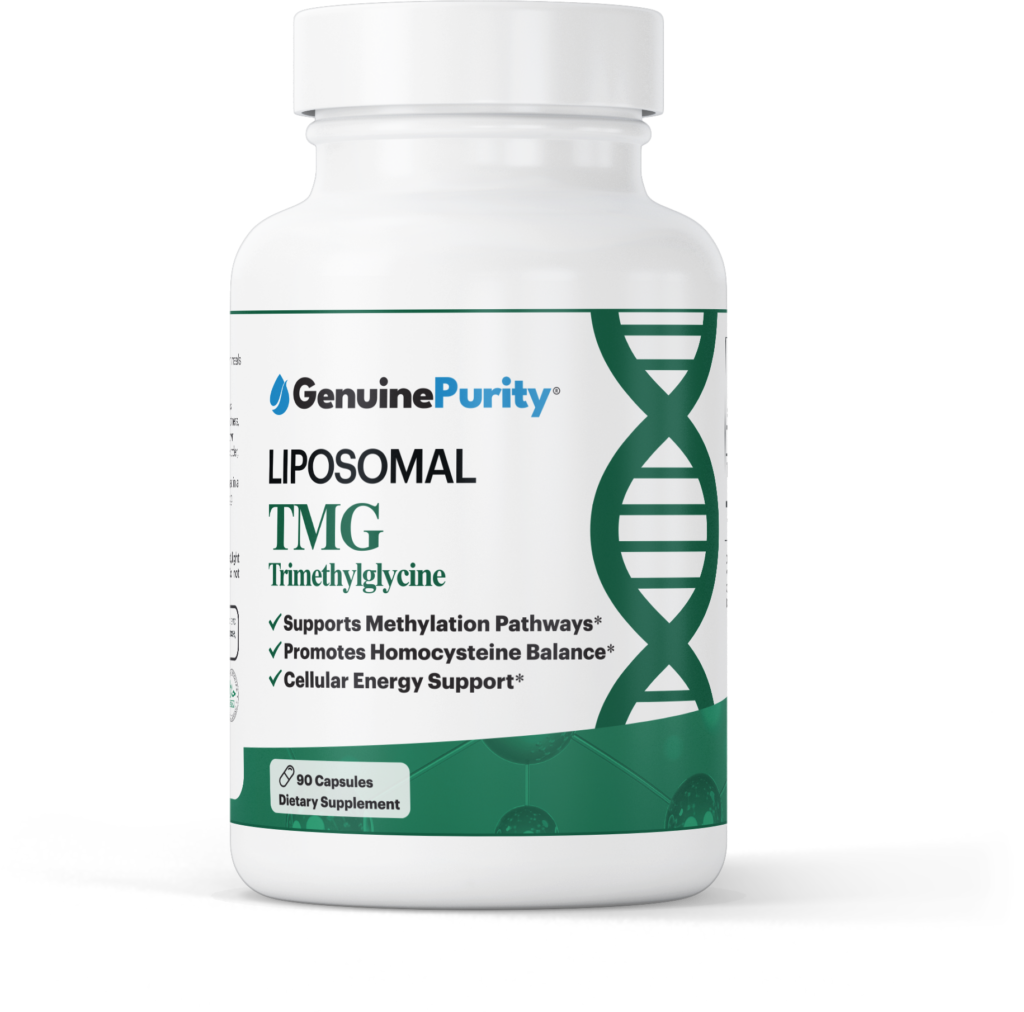
Supporting Healthy Homocysteine with GenuinePurity® Liposomal TMG
For those looking to support healthy homocysteine levels through targeted supplementation, GenuinePurity® Liposomal TMG offers a scientifically formulated option designed for maximum bioavailability and cellular impact. Unlike standard TMG capsules that can be degraded by stomach acids and digestive enzymes before they are fully absorbed, GenuinePurity® Liposomal TMG uses an advanced liposomal phospholipid delivery system derived from sunflower lecithin. This “stealth” encapsulation technology mimics the structure of your own cell membranes, protecting the active compound through the gastrointestinal tract and facilitating direct cellular uptake — enhancing absorbability compared to conventional oral delivery.
Each serving delivers a clinically studied 1,000 mg dose of pure Trimethylglycine (Betaine), providing the methyl groups needed to support the BHMT pathway — converting homocysteine into the essential amino acid methionine. This directly supports cardiovascular function, endothelial health, and vascular physiology. Beyond homocysteine management, TMG also plays a central role in the SAMe cycle, supporting DNA methylation and epigenetic regulation, neurotransmitter synthesis (including dopamine and serotonin), liver fat metabolism, and cellular energy production. GenuinePurity® Liposomal TMG is manufactured in cGMP-certified facilities in the USA, is non-GMO, vegetarian, and formulated without unnecessary additives — making it a clean, research-backed addition to a comprehensive health and longevity protocol. Whether you are proactively supporting cardiovascular health, managing elevated homocysteine, or optimizing your body’s methylation pathways, GenuinePurity® Liposomal TMG is engineered to deliver results at the cellular level.
References
1. Boushey CJ et al. A quantitative assessment of plasma homocysteine as a risk factor for vascular disease. JAMA. 1995;274(13):1049-1057.
2. Liu D et al. Association between homocysteine levels and mortality in CVD: a cohort study based on NHANES database. BMC Cardiovascular Disorders. 2024;24:652.
3. Ganguly P, Alam SF. Role of homocysteine in the development of cardiovascular disease. Nutrition Journal. 2015;14:6. PMC4326479.
4. Liao D et al. Hyperhomocysteinemia decreases circulating HDL by inhibiting apoA-I protein synthesis and enhancing HDL-C clearance. Circulation Research. 2006;99:598-606.
5. Hanna M et al. Association between elevated homocysteine and vascular calcification incidence, prevalence, and progression in the MESA Cohort. Journal of the American Heart Association. 2020.
6. Jiang X et al. Homocysteine, B vitamins, and cardiovascular disease: a Mendelian randomization study. BMC Medicine. 2021;19:97.
7. Homocysteine and MTHFR Mutations. Circulation. American Heart Association. https://www.ahajournals.org/doi/10.1161/01.cir.0000165142.37711.e7
8. Hyperhomocysteinemia. StatPearls – NCBI Bookshelf. NBK554408.
9. The Treatment of Hyperhomocysteinemia. PMC2716415.
10. Homocysteine Metabolism, Subclinical Myocardial Injury, and Cardiovascular Mortality in the General Population. JACC: Asia. 2024.
11. Cleveland Clinic. Homocysteine: Function, Levels & Health Effects. my.clevelandclinic.org.
12. MedlinePlus. Homocysteine Test. medlineplus.gov/lab-tests/homocysteine-test.
13. Olthof MR et al. Low dose betaine supplementation leads to immediate and long-term lowering of plasma homocysteine in healthy men and women. Journal of Nutrition. 2003;133(12):4135-4138.
14. Olthof MR, Verhoef P. Effects of betaine intake on plasma homocysteine concentrations and consequences for health. Current Drug Metabolism. 2005;6(1):15-22.
15. Schwab U et al. Orally administered betaine has an acute and dose-dependent effect on serum betaine and plasma homocysteine concentrations in healthy humans. Journal of Nutrition. 2006;136(1):34-38.
16. Hasan T et al. Disturbed homocysteine metabolism is associated with cancer. Experimental & Molecular Medicine. 2019. PMC6389897.