
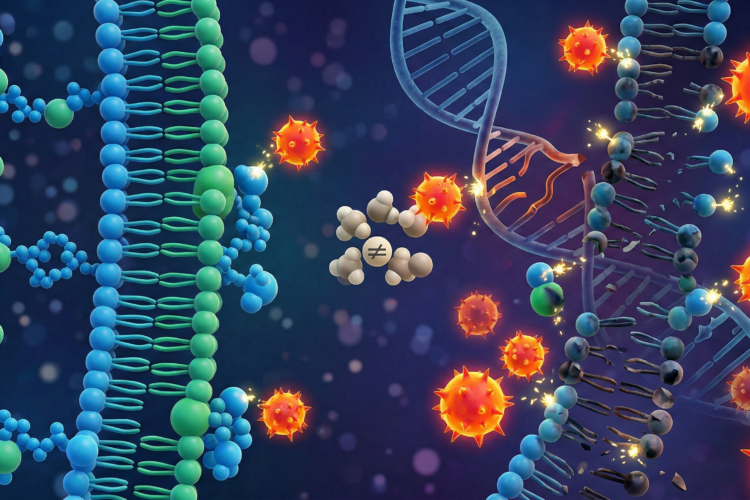
Every moment of every day, your body is waging an invisible battle. Inside your cells, unstable molecules called free radicals are constantly being generated as natural byproducts of metabolism and environmental exposure. While these reactive molecules play important roles in certain physiological processes, their overproduction can tip the balance toward a dangerous state known as oxidative stress—a condition increasingly linked to chronic disease, aging, and cellular damage.
What Are Free Radicals?
Free radicals are atoms containing unpaired or free electrons that exist in the free form. These reactive oxygen species constantly circulate through the body and occur as a side effect of many reactions that take place in the human body. The most common types include reactive oxygen species (ROS) and reactive nitrogen species (RNS), which result from the cellular redox process that occurs when cells use oxygen to generate energy.
Oxygen is essential for life, and when cells use it to generate energy, free radicals are created as a consequence of ATP production by the mitochondria. Free radicals can also be produced from external sources including pollution, cigarette smoke, radiation, and medication. Immune cell activation, inflammation, ischemia, infection, cancer, excessive exercise, mental stress, and aging are all responsible for endogenous free radical production.
The Dual Nature of Free Radicals
Free radicals and oxidants play a dual role as both toxic and beneficial compounds, since they can be either harmful or helpful to the body. At low or moderate levels, ROS and RNS actually exert beneficial effects on cellular responses and immune function. They participate in cell signaling pathways and help the immune system fight off pathogens.
However, when their production exceeds the body’s ability to neutralize them, problems arise. Oxidative stress happens when the free radicals production exceeds the capacity of the antioxidant system in the body’s cells. This delicate balance between free radical generation and antioxidant defenses is a critical aspect of maintaining health.
Understanding Oxidative Stress
Oxidative stress is an imbalance between two different types of molecules in your body: free radicals and antioxidants—specifically, it means there are too many free radicals and not enough antioxidants. When this imbalance occurs, excess free radicals begin to harm your body’s cells and tissues by damaging different cellular components including lipids, proteins, and DNA that allow cells to work normally.
Oxidative stress results in the damage of critical biomolecules like DNA, proteins, and lipids, contributing to the pathogenesis of various diseases. This damage can affect cellular structure and function, triggering chain reactions that lead to further deterioration of cellular health.
The Health Consequences of Oxidative Stress
Research has established strong connections between oxidative stress and numerous chronic health conditions. Chronic conditions such as cancer, cardiovascular diseases, neurodegenerative disorders, and inflammatory diseases have been strongly associated with the harmful effects of free radicals.
Cancer
Oxidative stress damages the DNA in healthy cells, which can raise cancer risk. The oxidation of DNA produces multiple modifications in the DNA structure including base and sugar lesions, strand breaks, and DNA-protein cross-links, all of which can contribute to tumor development.
Cardiovascular Disease
Oxidative stress triggers plaque to form in arteries (atherosclerosis). The oxidation of lipids and proteins in the cardiovascular system is associated with structural and functional changes that can lead to heart disease and stroke.
Neurological Diseases
Researchers have linked oxidative stress to many different neurological diseases, including Alzheimer’s disease, Parkinson’s disease and multiple sclerosis, where excess free radicals contribute to neuron loss, which can progressively lead to dementia.
Other Conditions
Oxidative stress is thought to make a significant contribution to all inflammatory diseases including arthritis, vasculitis, lupus, adult respiratory diseases syndrome, hemochromatosis, emphysema, gastric ulcers, hypertension, and many others.
Rheumatoid Arthritis
Free radicals directly degrade joint cartilage by targeting its proteoglycan and restricting its synthesis, with oxidative products of lipid peroxidation and raised levels having been observed in rheumatoid arthritis patients.
Aging
Research suggests that free radical damage to cells leads to the pathological changes associated with aging, and that the major mechanism of aging attributes to DNA or the accumulation of cellular and functional damage.
The Body’s Antioxidant Defense System
Fortunately, the human body is equipped with multiple mechanisms to counteract oxidative stress through antioxidants, which are either naturally produced internally or supplied through foods and supplements. Endogenous and exogenous antioxidants act as free radical scavengers by preventing and repairing damages caused by ROS and RNS, thereby enhancing immune defense and lowering the risk of cancer and degenerative diseases.
The body’s antioxidant defense consists of two main systems: enzymatic antioxidants represented by superoxide dismutase (SOD), catalase, and glutathione peroxidase, and non-enzymatic antioxidants including vitamins, trace elements, and phytochemicals.
Natural Antioxidants: Your First Line of Defense
Because of their therapeutic potential and natural origin, medicinal plants have been reported as the main source of natural antioxidant phytocompounds, with flavonoids, polyphenols, and glutathione, along with some vitamins having been reported to possess strong antioxidant activities.
Among the various natural antioxidants, flavonoids have emerged as particularly powerful compounds. Flavonoids such as quercetin, catechins, and anthocyanins are renowned for their potent antioxidant properties. These phenolic compounds are widely distributed in the plant kingdom and have unique mechanisms of action in neutralizing free radicals.
Flavonoids hold promise as natural compounds with potential health benefits, though their clinical applications require rigorous investigation to overcome existing limitations.
Dietary Sources and Lifestyle Strategies
Adding foods rich in antioxidants is one way to reduce oxidative stress, though healthcare providers recommend getting antioxidants from a variety of foods because there isn’t one antioxidant that’s a superfood—lots of antioxidants work together to achieve the greatest health benefit.
The Mediterranean diet, which is high in antioxidants, has been shown through research to have many benefits for health. Key antioxidant-rich foods include berries, leafy greens, nuts, seeds, colorful vegetables, and fruits.
Lifestyle factors also play a crucial role. You can reduce oxidative stress by avoiding tobacco products, limiting alcohol consumption, protecting your skin from excessive sun exposure, managing stress levels, maintaining regular physical activity, and minimizing exposure to environmental pollutants.
The Promise and Caution of Antioxidant Supplementation
While the concept of antioxidant therapy represents a promising avenue for treatment, important considerations exist. Excessive levels of vitamins C or E may disrupt redox balance, impair normal cellular signaling, or even promote tumorigenesis, and such doses might reduce the efficacy of chemotherapy or radiotherapy.
Many questions about antioxidant supplements in disease prevention remain unsolved, and further research is needed before supplementation could be officially recommended as an adjuvant therapy. In the meantime, avoiding oxidant sources such as cigarettes, alcohol, poor diet, and stress is considered as important as taking a diet rich in antioxidants.
The Future of Antioxidant Research
Understanding the dual role of free radicals in health and disease is crucial for developing effective interventions, and advancements in this field could lead to novel therapies that harness natural antioxidants to combat oxidative stress and improve human health.
The growing interest in natural extracts and compounds is driven by their potential as complementary or alternative therapies in managing diseases linked to oxidative stress, with research continuing to reveal diverse mechanisms of action that make them valuable components in the quest for effective strategies to combat oxidative damage.
Conclusion
Oxidative stress represents a fundamental process underlying many of the chronic diseases that plague modern society. While free radicals serve important physiological functions, their overproduction creates a cascade of cellular damage that accelerates aging and disease progression. By understanding the mechanisms of oxidative stress and supporting your body’s antioxidant defenses through diet, lifestyle choices, and targeted supplementation when appropriate, you can take proactive steps to protect your cellular health and promote longevity.
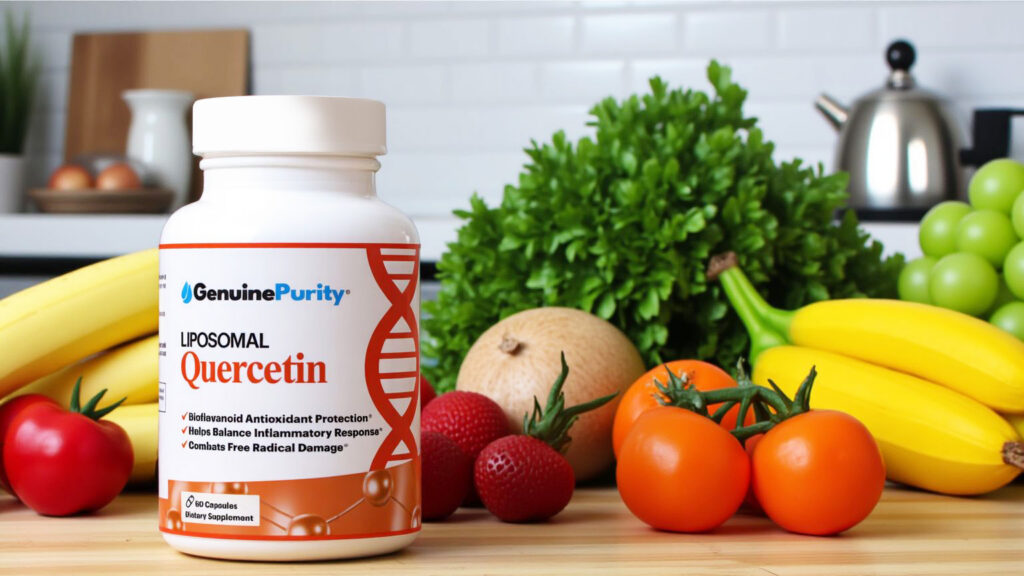
Spotlight: GenuinePurity® Quercetin – A Premium Antioxidant Solution
Among the many natural antioxidants available today, quercetin stands out as one of the most researched and potent flavonoid compounds. GenuinePurity® Quercetin offers a high-quality supplementation option for those seeking to enhance their antioxidant defense and combat oxidative stress.
Quercetin, a flavonoid found in fruits and vegetables, has numerous health benefits, including antioxidant, antimicrobial, anti-inflammatory, antiviral, and anticancer properties, with its strong antioxidant properties enabling it to scavenge free radicals, reduce oxidative stress, and protect against cellular damage. It’s one of the most abundant antioxidants in the diet and plays an important role in helping your body combat free radical damage, which is linked to chronic diseases.
The mechanisms by which quercetin works are multifaceted. The antioxidant mechanism of quercetin in the body is mainly reflected in its effects on glutathione, signal transduction pathways, reactive oxygen species, and enzyme activities. Quercetin acts as a potent antioxidant by scavenging ROS, inhibiting lipid peroxidation, and enhancing the activity of antioxidant enzymes.
GenuinePurity® Quercetin provides a concentrated source of this powerful flavonoid in a form that’s easy to incorporate into your daily wellness routine. Quercetin has been reported to have a wide range of health benefits including hepatoprotective, antidiabetic, anti-obesity, neuroprotective, cardioprotective, wound healing, antimicrobial, and immunomodulatory effects. Quercetin has cardiovascular benefits such as lowering blood pressure, reducing cholesterol levels, and improving endothelial function, making it a promising candidate for preventing and treating cardiovascular diseases.
Incorporating quercetin-rich foods into the diet or taking quercetin supplements may be beneficial for maintaining good health and preventing chronic diseases. While quercetin is naturally present in foods like onions, apples, berries, and kale, supplementation can provide therapeutic levels that may be difficult to achieve through diet alone.
By choosing GenuinePurity® Quercetin, you’re selecting a product designed to support your body’s natural defense systems against oxidative stress, helping you maintain optimal health and vitality in the face of daily environmental and metabolic challenges.
References
- Cell Death Discovery. (2025). Free radicals and their impact on health and antioxidant defenses: a review.
- Frontiers in Chemistry. (2023). Oxidative stress, free radicals and antioxidants: potential crosstalk in the pathophysiology of human diseases.
- Journal of Chemistry – Wiley. (2024). A Comprehensive Review of Free Radicals, Oxidative Stress, and Antioxidants.
- International Journal of Preventive Medicine. (2013). Free Radicals, Antioxidants in Disease and Health.
- Cleveland Clinic. (2024). Oxidative Stress: Causes, Symptoms & Treatment.
- Pharmacological Research. Free radicals, antioxidants and functional foods: Impact on human health.
- Oxidative Medicine and Cellular Longevity. Oxidative Stress: Harms and Benefits for Human Health.
- PubMed. (2024). Free radicals and oxidative stress: Mechanisms and therapeutic targets.
- Pharmaceuticals – MDPI. (2023). Recent Advances in Potential Health Benefits of Quercetin.
- Healthline. (2024). Quercetin: Benefits, Foods, and How to Increase Your Intake.
- PMC. Quercetin: Its Antioxidant Mechanism, Antibacterial Properties and Potential Application.
- Molecules – MDPI. (2019). Antioxidant Activities of Quercetin and Its Complexes for Medicinal Application.
- Biomolecules – MDPI. (2025). The Role of Quercetin, a Flavonoid in the Management of Pathogenesis Through Regulation of Oxidative Stress, Inflammation, and Biological Activities.