


We are heading into the part of summer when the miles add up. More walking, more time on the pickleball court, more hours in the garden, more stairs at the lake house. All of that activity is good for you, but it also puts a spotlight on your joints. If you have noticed a little more stiffness after a long hike or a twinge in your knees after a day on your feet, you are not imagining it. Joints take a cumulative beating, and late summer tends to be when that shows up.
The good news is that joint health is not a mystery. There is real, published research on what supports cartilage and connective tissue over time, and there is also a lot of noise and oversimplified marketing around joint supplements. Below, we break down what the evidence actually supports, clear up a few persistent myths, and take a closer look at one of our most-requested products for joint and bone support.
What Actually Supports Cartilage and Connective Tissue Long-Term
Cartilage does not have its own blood supply, which is part of why it heals slowly and why prevention matters more than most people realize. A few things consistently show up in the research as genuinely useful for supporting it over the long term.
Movement itself is one of the biggest factors. Cartilage relies on the compression and release of joint movement to pull in nutrients from the surrounding synovial fluid. Staying sedentary does not protect your joints, it starves them. The Mayo Clinic notes that regular, moderate movement helps strengthen the muscles that support joints and keeps them functioning smoothly, while inactivity tends to make joint pain worse over time.
Diet plays a bigger role than people expect. Diets built around fatty fish, olive oil, leafy greens, and colorful produce are associated with lower systemic inflammation, which matters because inflammation is a major driver of cartilage breakdown. Omega-3 fatty acids in particular have a well-documented role in modulating the inflammatory pathways that affect joint tissue.
Collagen and its building blocks matter, but specificity matters too. Research on collagen hydrolysate shows it can support cartilage tissue and reduce activity-related joint discomfort, and reviews of collagen supplementation point to real mechanisms, including collagen peptides reaching joint tissue and supporting the extracellular matrix that cartilage depends on. The type of collagen and the way it is processed both affect whether it actually does anything once you swallow it.
Bone density underlies joint health more than most people connect. Joints are only as stable as the bones they sit between. Calcium, magnesium, vitamin D, and vitamin K2 all play distinct, evidence-backed roles in bone remodeling and mineral density, and a deficiency in any of them can quietly undermine joint stability over years.
Body weight affects joint load directly. Every extra pound translates into several extra pounds of pressure on weight-bearing joints like the knees and hips with every step. Weight management is one of the most consistently effective, least glamorous tools for protecting joints long term.
Common Myths About Joint Supplements
Myth: You should rest painful joints as much as possible. This is one of the most persistent and least accurate ideas out there. The Cleveland Clinic and the CDC both point out that regular, appropriate movement reduces joint pain and stiffness over time, while prolonged inactivity tends to make things worse by weakening the muscles that support the joint.
Myth: Glucosamine and chondroitin are a guaranteed fix. The research here is genuinely mixed. The National Center for Complementary and Integrative Health notes that results across studies have been inconsistent, with some trials showing meaningful benefit and others showing little to none, and different professional guidelines reaching different conclusions. The Arthritis Foundation notes that a subgroup of people with moderate to severe knee pain may see more benefit than others. In short, these ingredients are not snake oil, but they are also not a sure thing for everyone.
Myth: All joint pain means you have arthritis, and it is only going to get worse. Not true. Joint discomfort can come from tendinitis, bursitis, overuse, or minor injury, and it does not automatically signal a progressive condition.
Myth: More collagen is always better. Collagen supplements are not interchangeable. Type II collagen behaves differently in the body than Type I, and the dose, source, and processing method all affect whether a supplement is doing anything measurable for your joints.
Myth: A supplement alone can undo years of wear and tear. Even the best-formulated joint supplement works best as part of a broader approach that includes movement, a body-weight-friendly diet, and adequate rest between activity, not as a replacement for any of those things.
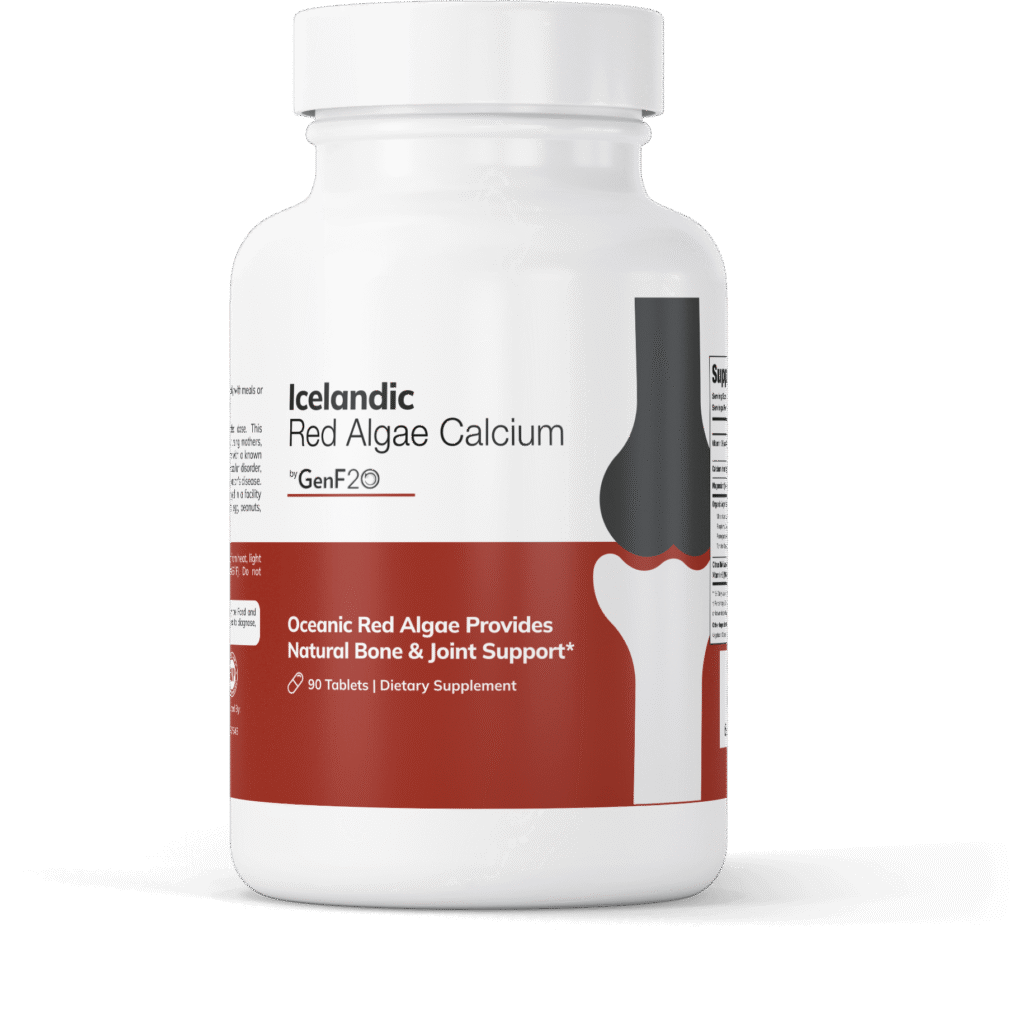
A Closer Look at One of Our Most-Requested Products: Icelandic Red Algae Calcium
Of everything we offer for joint and bone support, Icelandic Red Algae Calcium is one of the products our customers ask about most, and for good reason. Instead of relying on a standard calcium carbonate source, the formula is built around a plant-based calcium derived from mineralized red algae harvested off the coast of Iceland, which research suggests may be absorbed more readily by the body than conventional calcium sources.
The formula pairs that calcium with magnesium (also derived from red algae), vitamin D3, vitamin K2 in its MK7 form, and citrus bioflavonoids, a combination chosen because each of these nutrients plays a distinct role in bone mineralization and joint support rather than duplicating the same function. Vitamin D3 supports calcium absorption, K2 helps direct calcium to bone tissue where it belongs, and citrus bioflavonoids have been studied for their role in supporting healthy inflammatory balance.
For anyone dealing with the kind of stiffness that shows up after a long day of summer activity, or anyone thinking proactively about bone density as they age, it is worth a look.
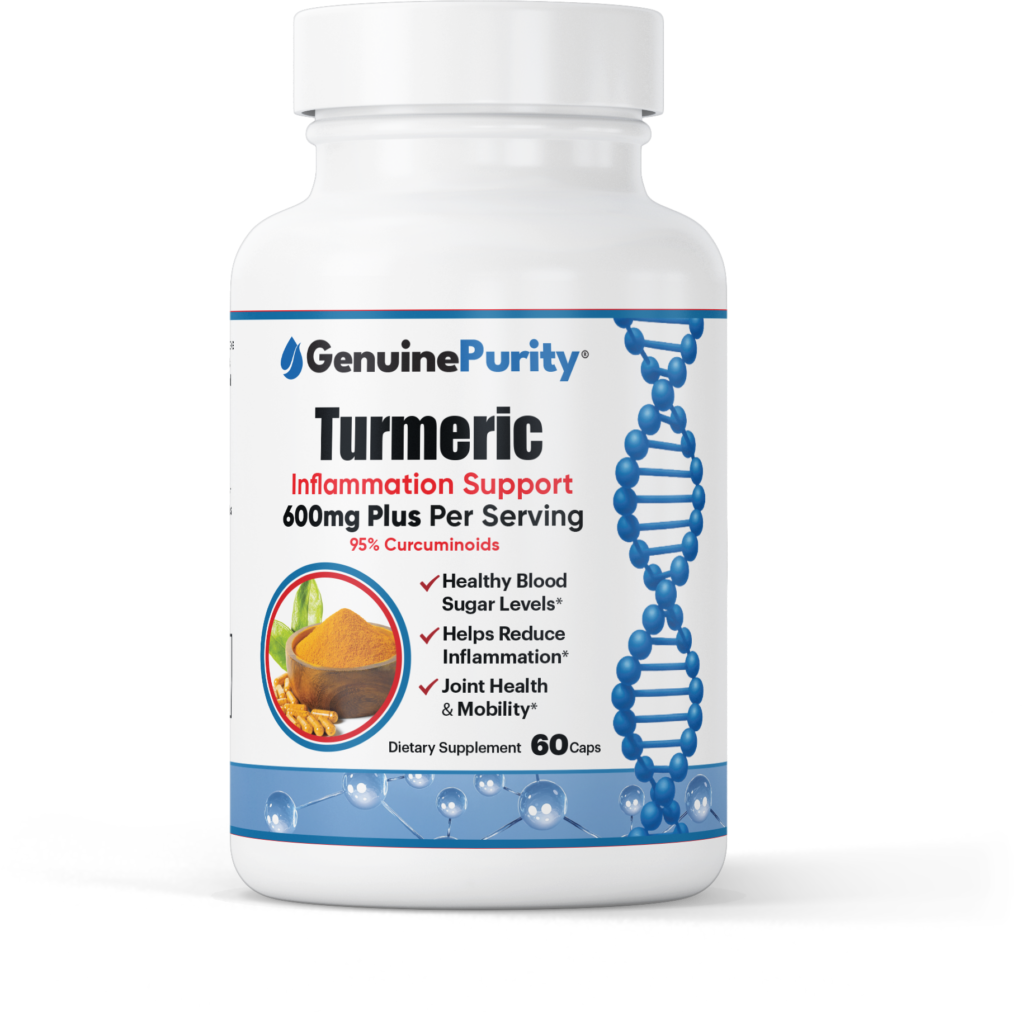
Since inflammation and joint comfort are closely linked, we also wanted to point out a natural complement to this kind of bone and joint support. GenuinePurity Turmeric combines organic whole turmeric root with a concentrated, standardized curcumin extract and BioPerine for absorption, and it is specifically formulated to support healthy inflammatory balance alongside bone and joint comfort. Pairing mineral support with an anti-inflammatory botanical is a combination that reflects how joint health actually works in the body, addressing structure and inflammation together rather than just one piece of the picture.
References
- Mayo Clinic. Exercise helps ease arthritis pain and stiffness. mayoclinic.org
- Cleveland Clinic. 6 Myths About Joint Pain and Arthritis. health.clevelandclinic.org
- Centers for Disease Control and Prevention. About Physical Activity and Arthritis. cdc.gov
- National Center for Complementary and Integrative Health. Glucosamine and Chondroitin for Osteoarthritis: What You Need To Know. nccih.nih.gov
- Arthritis Foundation. Glucosamine, Chondroitin for Osteoarthritis Pain. arthritis.org
- National Library of Medicine, PubMed Central. Collagen Supplementation for Joint Health: The Link between Composition and Scientific Knowledge. pubmed.ncbi.nlm.nih.gov
- National Library of Medicine, PubMed. 24-Week study on the use of collagen hydrolysate as a dietary supplement in athletes with activity-related joint pain. pubmed.ncbi.nlm.nih.gov
- Medical News Today. Addressing 9 myths about arthritis. medicalnewstoday.com