

Understanding Overactive Bladder: Causes, Symptoms, and Natural Management Strategies
If you find yourself making frequent trips to the bathroom throughout the day or waking up multiple times at night with an urgent need to urinate, you’re not alone. Overactive bladder affects millions of women worldwide, yet it remains one of those health concerns many suffer with in silence. The good news is that understanding what’s happening in your body is the first step toward reclaiming your confidence and comfort.
What Is Overactive Bladder?
Overactive bladder, often abbreviated as OAB, is a condition characterized by a sudden, compelling urge to urinate that’s difficult to control. Unlike a urinary tract infection, OAB isn’t caused by bacteria or infection. Instead, it involves involuntary contractions of the bladder muscle that create that urgent “gotta go” feeling, even when your bladder isn’t full.
While overactive bladder can affect anyone, women are particularly susceptible due to factors like pregnancy, childbirth, hormonal changes during menopause, and the natural weakening of pelvic floor muscles with age.
Recognizing the Symptoms
The hallmark symptoms of overactive bladder include:
Urgency: A sudden, intense need to urinate that feels impossible to postpone. This isn’t the gradual buildup of pressure most people experience when their bladder is genuinely full, but rather an immediate and overwhelming sensation.
Frequency: Urinating more than eight times in a 24-hour period. Many women with OAB find themselves planning their entire day around bathroom locations.
Nocturia: Waking up two or more times during the night to urinate, which can seriously disrupt sleep quality and leave you feeling exhausted during the day.
Urge Incontinence: In some cases, the urgent need to urinate is followed by involuntary leakage before you can reach a bathroom.
These symptoms can range from mildly inconvenient to significantly life-altering, affecting your work, social activities, exercise routine, and intimate relationships.
What Causes Overactive Bladder?
Understanding the root causes of OAB can help you identify which management strategies might work best for you. Common causes include:
Weakened Pelvic Floor Muscles: Pregnancy, childbirth, and aging can all weaken the muscles that support your bladder, leading to reduced control. These muscles act as a hammock for your pelvic organs, and when they lose tone, bladder function can be compromised.
Hormonal Changes: The decline in estrogen during perimenopause and menopause affects the tissues of the urinary tract, making them thinner and less elastic. This can contribute to urgency and frequency issues.
Nerve Damage or Miscommunication: Sometimes the nerves that signal your brain about bladder fullness send incorrect messages, creating a sense of urgency even when the bladder contains very little urine.
Lifestyle Factors: Excessive caffeine or alcohol consumption, inadequate water intake (which concentrates urine and irritates the bladder), being overweight, and chronic constipation can all exacerbate OAB symptoms.
Medical Conditions: Conditions like diabetes, neurological disorders, or previous pelvic surgeries can increase your risk of developing overactive bladder.
Natural Management Strategies
While overactive bladder can feel overwhelming, there are numerous natural approaches that can help you regain control:
Pelvic Floor Exercises
Kegel exercises strengthen the muscles that control urination. To perform them correctly, imagine you’re trying to stop the flow of urine midstream. Squeeze those muscles, hold for three to five seconds, then release. Aim for three sets of ten repetitions daily. Consistency is key, and many women notice improvement within a few weeks.
Bladder Training
This technique involves gradually increasing the time between bathroom visits to help retrain your bladder. Start by tracking your current bathroom schedule, then try to add 15 minutes between trips. Over time, you can extend these intervals, teaching your bladder to hold more urine comfortably.
Dietary Modifications
Certain foods and beverages can irritate the bladder. Consider reducing or eliminating caffeine, alcohol, carbonated drinks, artificial sweeteners, spicy foods, and citrus fruits. Keep a food diary to identify your personal triggers.
Maintain a Healthy Weight
Extra weight puts additional pressure on your bladder and pelvic floor muscles. Even modest weight loss can significantly improve OAB symptoms for many women.
Stay Properly Hydrated
While it might seem counterintuitive, drinking adequate water actually helps. Concentrated urine irritates the bladder lining, potentially making urgency worse. Aim for six to eight glasses of water daily, but taper off intake in the evening to reduce nighttime bathroom trips.
Manage Stress
Anxiety and stress can worsen OAB symptoms. Practices like deep breathing, meditation, yoga, or regular exercise can help calm your nervous system and may reduce bladder urgency.
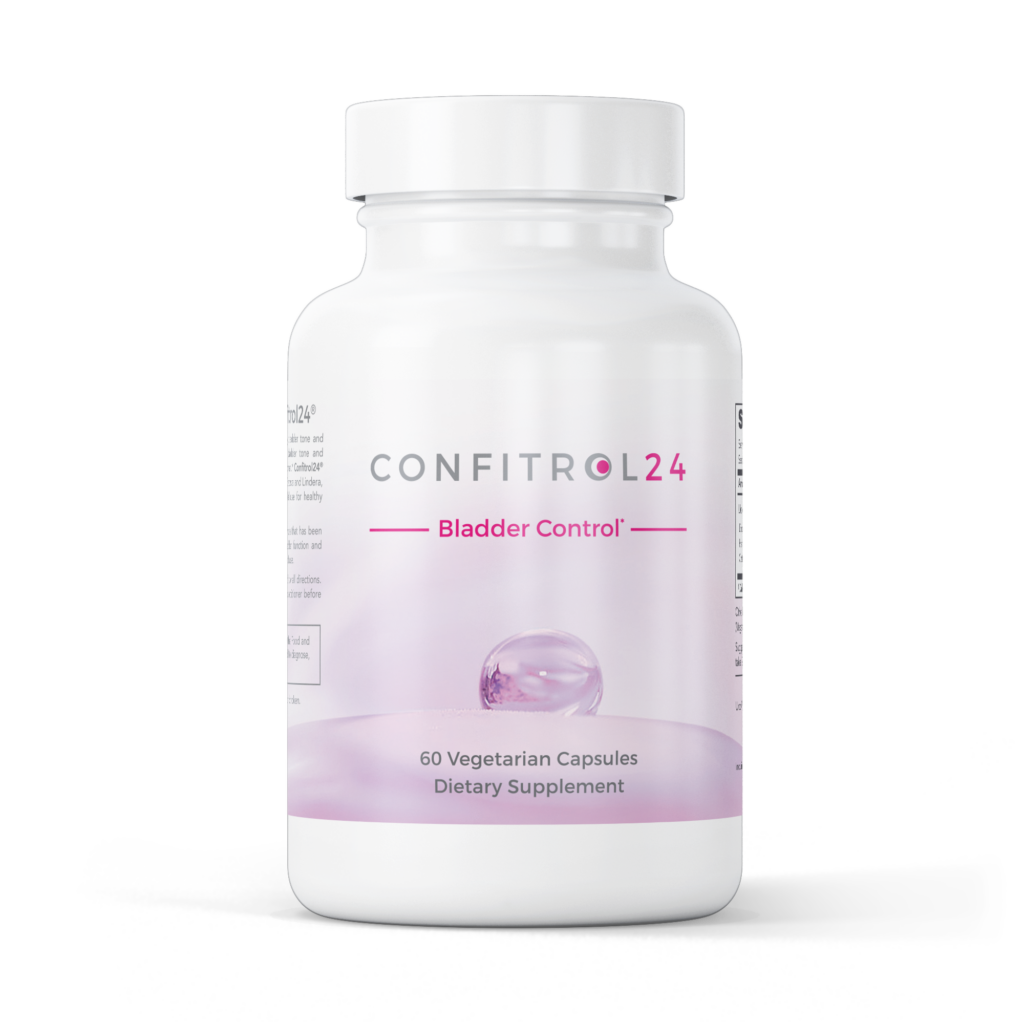
How HerSolution Confitrol24 Can Help
While lifestyle modifications form the foundation of OAB management, many women find that targeted nutritional support provides additional relief. HerSolution Confitrol24 is specifically formulated to support healthy bladder function through a blend of natural ingredients.
This daily supplement works by strengthening bladder control, reducing the frequency of urgent bathroom trips, and supporting the health of the urinary tract tissues. The formula includes ingredients that help tone the bladder muscle, support tissue integrity in the urinary system, and promote overall urinary health.
What makes Confitrol24 particularly appealing for many women is its natural approach. Rather than harsh medications that can come with unwanted side effects, this supplement works with your body’s natural processes to support improved bladder control over time.
Many women report that combining Confitrol24 with pelvic floor exercises, dietary adjustments, and other lifestyle modifications provides comprehensive support for managing overactive bladder symptoms. The supplement addresses the issue from a nutritional standpoint while you work on strengthening and retraining your bladder through other methods.
Taking the Next Step
Living with an overactive bladder doesn’t have to mean living in fear of the next urgent bathroom trip. By understanding the causes and symptoms of OAB and implementing natural management strategies, you can take meaningful steps toward regaining control and confidence.
Remember that improvement takes time. Be patient with yourself as you implement these changes, and don’t hesitate to track your progress in a journal. Noting what works and what doesn’t will help you fine-tune your approach.
If your symptoms are severe or don’t improve with natural management strategies, it’s important to consult with a healthcare provider. They can rule out other conditions and discuss additional treatment options if needed.
You deserve to live your life fully, without constantly worrying about where the nearest bathroom is located. With the right combination of lifestyle changes, exercises, and supportive supplements like HerSolution Confitrol24, many women find significant relief from overactive bladder symptoms and rediscover the freedom and confidence they thought they’d lost.