

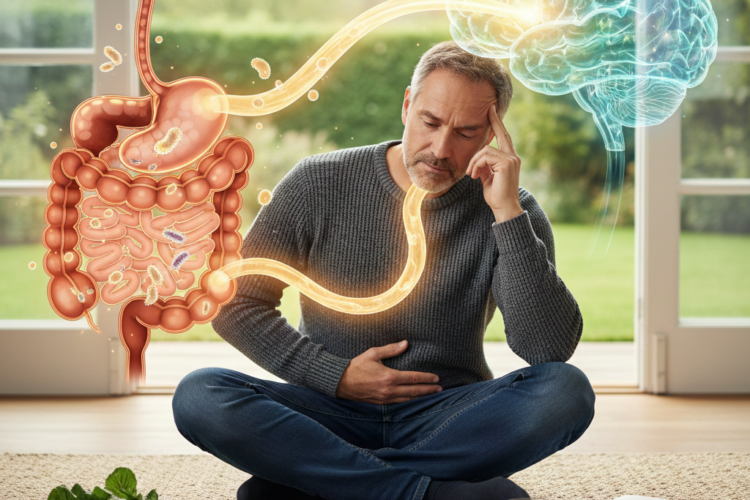
For years, we’ve understood that our emotional state can affect our digestive system. Who hasn’t experienced butterflies in their stomach before a big presentation or felt nauseous during times of stress? But emerging research reveals that this relationship flows both ways, and perhaps even more powerfully in the direction we least expected. Your gut doesn’t just respond to your brain—it actively influences your mental state, mood, and cognitive abilities in profound ways.
The Second Brain in Your Belly
Your gastrointestinal tract contains approximately 500 million neurons, forming what scientists call the enteric nervous system (ENS). This complex network is so sophisticated that researchers often refer to it as your “second brain.” While it can’t compose poetry or solve calculus problems, this neural network communicates constantly with your primary brain through multiple pathways, including the vagus nerve, immune system messengers, and the production of neurotransmitters.
What makes this connection even more remarkable is the sheer scale of communication happening. The vagus nerve, which runs from your brainstem to your abdomen, carries signals in both directions, but studies suggest that approximately 90% of these signals travel from the gut to the brain, not the other way around. This means your digestive system is sending far more information upward than it receives from above.
The Microbiome: Your Internal Chemical Factory
Living within your digestive tract are trillions of microorganisms—bacteria, fungi, viruses, and other microbes—collectively known as your gut microbiome. Far from being passive residents, these microorganisms actively produce neurotransmitters and other chemicals that directly influence brain function and emotional regulation.
Consider serotonin, often called the “happiness hormone.” While we typically associate serotonin with brain chemistry, approximately 95% of your body’s serotonin is actually produced in the gut. These gut-dwelling bacteria also manufacture other crucial neurochemicals including gamma-aminobutyric acid (GABA), which helps calm nervous activity, and dopamine, which plays central roles in motivation and pleasure.
Research has demonstrated that the composition of gut bacteria can influence anxiety levels, stress responses, and even social behavior. In animal studies, transferring gut bacteria from anxious mice to previously calm mice resulted in the recipients developing anxiety-like behaviors. While human studies are more complex, they increasingly point to similar connections between microbiome composition and mental health outcomes.
Inflammation: The Hidden Link
One of the key mechanisms connecting gut health to mental wellness involves inflammation. When your gut lining becomes compromised—a condition sometimes called “leaky gut”—partially digested food particles, toxins, and bacteria can pass through the intestinal barrier and enter the bloodstream. This triggers an immune response and systemic inflammation throughout the body, including the brain.
Chronic low-grade inflammation has been linked to depression, anxiety, brain fog, and cognitive decline. Studies have found elevated markers of inflammation in individuals with major depressive disorder, and some researchers now view certain forms of depression as inflammatory conditions. By maintaining gut health and the integrity of the intestinal barrier, you can help reduce systemic inflammation and protect your mental wellbeing.
The Mood-Food Connection
The foods you consume don’t just nourish your body—they feed your gut bacteria and influence your mental state. Diets high in processed foods, sugar, and unhealthy fats can promote the growth of harmful bacteria while diminishing beneficial species. This dysbiosis (microbial imbalance) has been associated with increased rates of depression and anxiety.
Conversely, diets rich in fiber, fermented foods, omega-3 fatty acids, and polyphenols support a diverse and healthy microbiome. The Mediterranean diet, which emphasizes vegetables, fruits, whole grains, fish, and olive oil, has been linked to lower rates of depression in multiple studies. Fermented foods like yogurt, kefir, sauerkraut, and kimchi introduce beneficial bacteria directly into your system, while prebiotic foods like garlic, onions, asparagus, and bananas provide fuel for your existing good bacteria.
Cognitive Function and Memory
The gut-brain connection extends beyond mood into the realm of cognitive performance. Research suggests that gut health influences memory formation, learning capacity, and overall cognitive function. Some studies have even found connections between gut microbiome diversity and brain volume in regions associated with emotion and cognition.
The mechanisms are multifaceted. Gut bacteria produce short-chain fatty acids (SCFAs) like butyrate when they ferment dietary fiber. These compounds can cross the blood-brain barrier and have been shown to promote the production of brain-derived neurotrophic factor (BDNF), a protein crucial for learning, memory, and the growth of new neurons. Lower levels of BDNF have been associated with depression, Alzheimer’s disease, and other neurological conditions.
Additionally, an unhealthy gut can impair nutrient absorption, potentially leading to deficiencies in vitamins and minerals essential for brain health, including B vitamins, vitamin D, magnesium, and zinc. These deficiencies can manifest as brain fog, poor concentration, memory problems, and mood disturbances.
Stress, Anxiety, and the Gut
The relationship between stress and gut health creates a bidirectional cycle that can either support wellness or contribute to dysfunction. When you experience psychological stress, your body releases cortisol and other stress hormones that can alter gut motility, increase intestinal permeability, and change the composition of gut bacteria. These gut changes then send signals back to the brain that can amplify feelings of anxiety and stress.
This helps explain why chronic stress often manifests with digestive symptoms like irritable bowel syndrome (IBS), and why individuals with IBS have higher rates of anxiety and depression than the general population. It’s not that one causes the other in a simple linear fashion—rather, they influence each other in an ongoing feedback loop.
Breaking this cycle requires addressing both the psychological and physiological components. Stress reduction techniques like meditation, deep breathing, and regular exercise can help, as can supporting gut health through dietary changes, adequate sleep, and targeted supplementation.
Practical Steps for Supporting Your Gut-Brain Axis
Supporting the gut-brain connection doesn’t require dramatic lifestyle overhauls. Small, consistent changes can make meaningful differences:
Diversify your diet. Aim for a wide variety of plant foods each week. The greater the diversity of fibers and plant compounds you consume, the more diverse your gut microbiome becomes. Research suggests that consuming more than 30 different plant foods per week is associated with a healthier microbiome.
Include fermented foods regularly. Even small amounts of naturally fermented foods can introduce beneficial bacteria and support microbial diversity. Start with small portions and gradually increase to allow your system to adjust.
Prioritize sleep. Your gut microbiome follows circadian rhythms just like the rest of your body. Irregular sleep patterns or chronic sleep deprivation can disrupt these rhythms and negatively impact gut health, which in turn affects mental wellness.
Move your body. Exercise has been shown to increase microbial diversity and promote the growth of beneficial bacteria. Even moderate physical activity, like regular walking, provides benefits.
Manage stress. Since stress directly impacts gut health, incorporating stress management practices into your routine protects both your digestive and mental wellness. Find techniques that resonate with you, whether that’s meditation, time in nature, creative pursuits, or social connection.
Consider targeted supplementation. While whole foods should form the foundation of gut health, certain supplements can provide additional support, particularly for those dealing with inflammation or seeking to restore balance to their microbiome.
The Future of Mental Health Treatment
The recognition of the gut-brain connection is transforming how we understand and approach mental health. Rather than viewing depression, anxiety, and cognitive issues solely as brain disorders, many researchers now recognize them as whole-body conditions influenced by multiple systems, with the gut playing a starring role.
This perspective opens new avenues for intervention. While traditional treatments like therapy and medication remain valuable, addressing gut health may enhance their effectiveness or provide alternative paths for those who haven’t found relief through conventional approaches. Some researchers are even exploring “psychobiotics”—specific probiotic strains selected for their mental health benefits.
As our understanding deepens, it becomes increasingly clear that supporting mental wellness requires caring for the entire body, with particular attention to the remarkable ecosystem living within your digestive system. Your gut and brain are partners in shaping your mental experience, and nurturing their relationship may be one of the most powerful things you can do for your overall wellbeing.
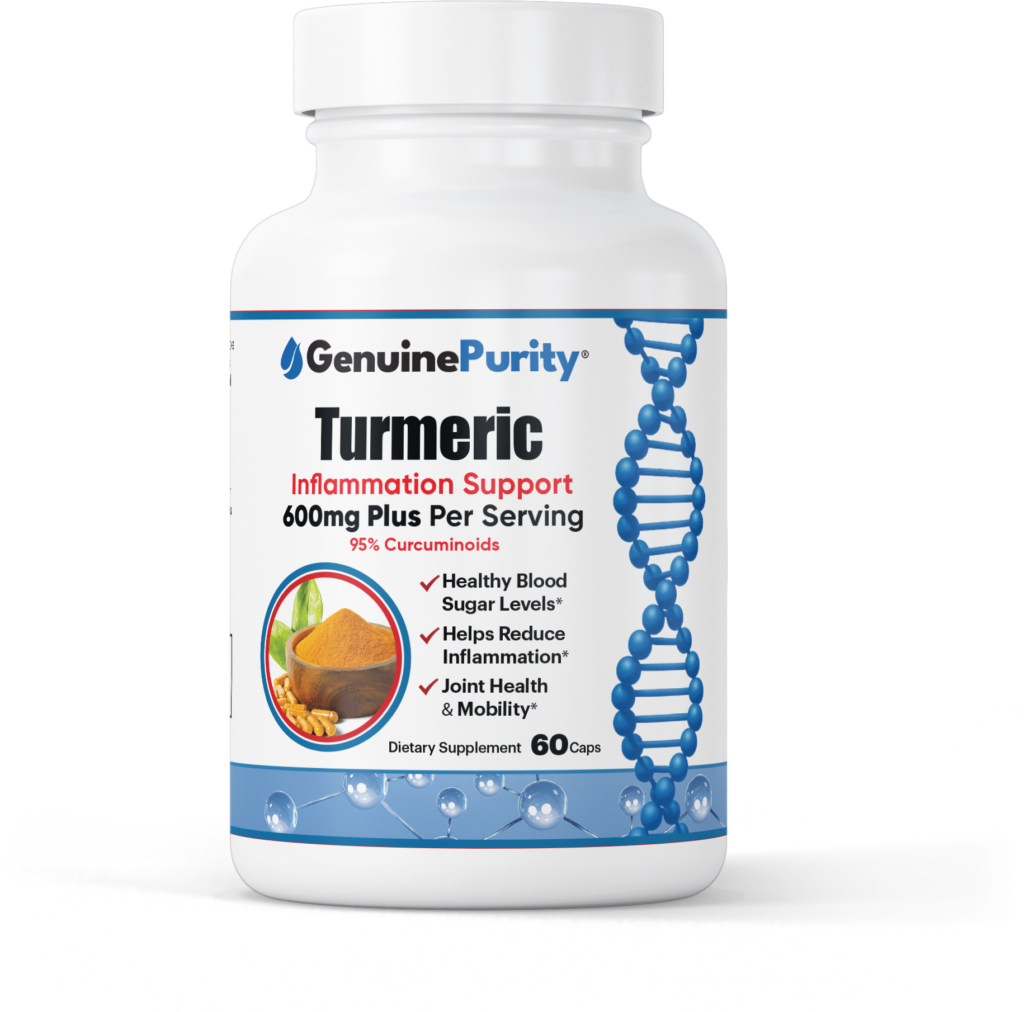
Supporting Your Gut Health with GenuinePurity® Turmeric
When it comes to supporting both gut health and the inflammation pathway that connects your digestive system to your brain, few natural compounds have garnered as much research attention as turmeric. The active compounds in turmeric, particularly curcumin, have demonstrated powerful anti-inflammatory and antioxidant properties that may support the gut-brain axis from multiple angles.
GenuinePurity® Turmeric is specifically formulated to provide high-quality curcumin in a bioavailable form that your body can actually use. Many turmeric supplements fail to deliver results because curcumin is notoriously difficult for the body to absorb. GenuinePurity® addresses this challenge with enhanced absorption technology, ensuring that the beneficial compounds reach your bloodstream and tissues where they can work their magic.Research suggests that curcumin may help maintain the integrity of the intestinal barrier, support a healthy balance of gut bacteria, and reduce systemic inflammation—all crucial factors in the gut-brain connection. By addressing inflammation at its source and supporting digestive health, GenuinePurity® Turmeric offers a natural approach to protecting both your gut and your mental wellness. When combined with a balanced diet, stress management, and other healthy lifestyle practices, quality turmeric supplementation can be a valuable tool in your journey toward comprehensive wellbeing.