


If you’ve ever felt like your metabolism is working against you, you’re not imagining things. Your metabolic rate—the speed at which your body burns calories—plays a crucial role in determining your body composition, energy levels, and overall health. Yet for millions of people, metabolic dysfunction makes weight management feel like an uphill battle, no matter how much they diet or exercise.
The relationship between metabolism and weight is complex, involving hormones, cellular energy production, insulin sensitivity, and even the composition of bacteria in your gut. Understanding this connection is essential for anyone struggling with stubborn weight, particularly around the midsection, or dealing with metabolic conditions like insulin resistance or metabolic syndrome.
Enter berberine, a natural compound that’s gaining recognition for its remarkable ability to influence metabolic pathways and support healthier body composition. But how exactly does berberine work, and what does the scientific evidence tell us about its effects on metabolism and weight? Let’s explore the fascinating connection between berberine, metabolism, and body composition.
Understanding Your Metabolism
Before diving into berberine’s effects, it’s important to understand what metabolism really means. Your metabolism encompasses all the chemical processes that keep your body functioning, from breathing and circulating blood to repairing cells and digesting food.
When people talk about having a “fast” or “slow” metabolism, they’re typically referring to their basal metabolic rate (BMR)—the number of calories your body burns at rest just to maintain basic physiological functions. Your total daily energy expenditure includes your BMR plus the calories burned through physical activity and digesting food.
Several factors influence your metabolic rate:
Muscle Mass: Muscle tissue burns more calories than fat tissue, even at rest. This is why people with more muscle mass tend to have higher metabolic rates.
Age: Metabolism naturally slows with age, partly due to muscle loss and hormonal changes.
Hormones: Thyroid hormones, insulin, cortisol, and sex hormones all play crucial roles in regulating metabolism.
Insulin Sensitivity: How effectively your cells respond to insulin dramatically affects how your body stores or burns fat.
Mitochondrial Function: These cellular powerhouses produce energy, and their efficiency impacts your overall metabolic rate.
Inflammation: Chronic low-grade inflammation can impair metabolic function and promote fat storage.
The Metabolism-Weight Struggle
For many people, weight gain isn’t simply about eating too much or exercising too little. Poor metabolic function can create a vicious cycle where the body preferentially stores calories as fat rather than burning them for energy, makes you feel constantly hungry, and sabotages your weight loss efforts.
Poor metabolic function often manifests as:
- Difficulty losing weight despite caloric restriction
- Rapid weight regain after dieting
- Increased fat storage, particularly visceral (belly) fat
- Low energy and fatigue
- Constant hunger and cravings
- Insulin resistance and blood sugar imbalances
The root cause often involves disrupted cellular metabolism, particularly related to insulin resistance and impaired AMPK (adenosine monophosphate-activated protein kinase) signaling—both of which berberine has been shown to address.
Berberine’s Metabolic Mechanisms
Research over the past two decades has revealed that berberine influences metabolism through multiple interconnected pathways. Understanding these mechanisms helps explain why berberine shows such promise for supporting healthy body composition.
Activating AMPK: Your Metabolic Master Switch
Perhaps berberine’s most significant metabolic effect comes from its ability to activate AMPK, an enzyme that functions as a master regulator of cellular energy metabolism. Think of AMPK as your body’s fuel gauge—when activated, it signals cells to start burning stored energy.
A landmark study published in Diabetes demonstrated that berberine activates AMPK in muscle, liver, and fat tissue, leading to increased glucose uptake, enhanced fat burning, and reduced fat synthesis (1). This AMPK activation is remarkably similar to the mechanism of metformin, a common diabetes medication, and even to the metabolic effects of exercise.
When AMPK is activated, several beneficial metabolic changes occur:
- Increased glucose uptake into muscle cells
- Enhanced fat oxidation (burning)
- Reduced fat synthesis in the liver
- Improved insulin sensitivity
- Increased mitochondrial biogenesis (creation of new energy-producing mitochondria)
Improving Insulin Sensitivity and Glucose Metabolism
Insulin resistance is one of the primary drivers of poor metabolic function and weight gain. When cells become resistant to insulin, the body compensates by producing more insulin, which unfortunately promotes fat storage—especially dangerous visceral fat around the organs.
Multiple clinical trials have demonstrated berberine’s effectiveness at improving insulin sensitivity. A study published in The Journal of Clinical Endocrinology & Metabolism found that three months of berberine supplementation significantly reduced fasting insulin levels and improved insulin resistance in people with metabolic syndrome (2).
In another study published in Metabolism, researchers found that berberine was as effective as metformin at reducing blood sugar levels in people with type 2 diabetes, with participants experiencing an average reduction in fasting blood glucose from 10.6 mmol/L to 6.9 mmol/L (3).
By improving insulin sensitivity, berberine helps shift your metabolism away from fat storage and toward fat burning.
Reducing Fat Synthesis and Increasing Fat Breakdown
Berberine doesn’t just help you burn more fat—it also appears to reduce the creation of new fat. Research has shown that berberine inhibits the expression of genes involved in fat cell formation (adipogenesis) and fat synthesis (lipogenesis).
A study in Obesity journal examined berberine’s effects on human fat cells and found that it significantly inhibited fat accumulation by suppressing the expression of genes involved in fat storage (4). This suggests berberine works on both sides of the equation: burning existing fat while reducing new fat formation.
Targeting Visceral Fat
Not all body fat is created equal. Visceral fat—the fat stored around your organs deep in the abdomen—is metabolically active and particularly harmful to health. It’s strongly associated with insulin resistance, inflammation, and increased risk of cardiovascular disease and type 2 diabetes.
Research indicates that berberine may preferentially target visceral fat. A study published in Phytomedicine found that overweight participants taking berberine experienced significant reductions in waist circumference and improvements in body composition markers, suggesting a reduction in visceral adiposity (5).
Modulating the Gut Microbiome
Your gut microbiome—the trillions of bacteria living in your digestive system—plays a surprising role in metabolism and weight management. Certain bacterial compositions are associated with obesity and metabolic dysfunction, while others promote leanness and metabolic health.
Berberine has been shown to alter gut microbiome composition in ways that favor metabolic health. A groundbreaking study published in PLoS One demonstrated that berberine’s weight loss and metabolic benefits in high-fat diet-fed rats were associated with specific changes in gut bacteria composition, including increased levels of bacteria that produce short-chain fatty acids, which support metabolic health (6).
This suggests that at least some of berberine’s effects on body composition may work through improving gut health and the microbiome.
Reducing Inflammation
Chronic low-grade inflammation is closely linked to obesity and metabolic dysfunction. Fat tissue, especially visceral fat, produces inflammatory compounds that interfere with insulin signaling and metabolic function, creating a self-perpetuating cycle.
Berberine has demonstrated anti-inflammatory properties in multiple studies. Research published in Molecular Medicine Reports showed that berberine reduces inflammatory markers and oxidative stress, which may contribute to its beneficial effects on metabolism and body composition (7).
What Does the Clinical Research Show?
While understanding mechanisms is important, what really matters is whether berberine produces real-world results in human studies. The evidence is encouraging.
Weight Loss and Body Composition
A comprehensive meta-analysis published in Phytotherapy Research analyzed data from multiple randomized controlled trials and found that berberine supplementation resulted in significant reductions in body weight, body mass index (BMI), and waist circumference compared to control groups (8).
One particularly notable study published in Phytomedicine examined the effects of berberine in 37 men and women with metabolic syndrome. After 12 weeks of supplementation with 300 mg of berberine three times daily, participants experienced:
- An average weight loss of 5 pounds
- A reduction in BMI from 31.5 to 27.4
- Significant decreases in waist circumference
- Improved triglyceride and cholesterol levels
- Better insulin sensitivity (5)
Another study in Evidence-Based Complementary and Alternative Medicine found that berberine combined with lifestyle modifications produced greater weight loss and metabolic improvements than lifestyle changes alone (9).
Fat Distribution and Body Composition
Beyond total weight loss, body composition—the ratio of fat to lean tissue—matters greatly for health. Several studies suggest berberine may help improve body composition by reducing fat mass while preserving lean muscle mass.
Research indicates that berberine’s effects are particularly pronounced on visceral fat, the dangerous fat surrounding organs. Studies measuring waist circumference consistently show reductions, suggesting preferential loss of abdominal fat (5, 8).
Metabolic Rate and Energy Expenditure
While direct measurements of metabolic rate in berberine studies are limited, the compound’s effects on AMPK activation, mitochondrial function, and cellular energy metabolism suggest it may help support a healthier metabolic rate. The increased mitochondrial biogenesis stimulated by AMPK activation means more cellular powerhouses producing energy, which theoretically could increase overall energy expenditure.
Berberine in Context: Not a Magic Pill
While the research on berberine and metabolism is promising, it’s essential to maintain realistic expectations. Berberine is not a miracle weight loss supplement that will compensate for poor lifestyle choices. Rather, it appears to be a valuable tool that can enhance the effects of proper nutrition and exercise.
Most studies showing significant benefits used berberine as part of a comprehensive approach that included dietary modifications and physical activity. The compound seems to work best by making your body more metabolically efficient—helping you get better results from your healthy lifestyle efforts rather than replacing them.
Optimizing Your Metabolism: A Comprehensive Approach
If you’re interested in using berberine to support your metabolic health and body composition goals, consider these evidence-based strategies for optimal results:
Prioritize Protein: Adequate protein intake (roughly 0.7-1 gram per pound of body weight) supports muscle mass preservation and has a higher thermic effect than carbohydrates or fat, meaning your body burns more calories digesting it.
Strength Training: Building and maintaining muscle mass is one of the most effective ways to boost metabolic rate long-term. Aim for resistance training at least 2-3 times per week.
Time Your Meals: Some research suggests that berberine works best when taken with meals, as it can help moderate the glucose and insulin response to food. Consider taking it with your larger meals of the day.
Prioritize Sleep: Poor sleep disrupts hormones that regulate appetite and metabolism, including leptin and ghrelin. Aim for 7-9 hours of quality sleep nightly.
Manage Stress: Chronic stress elevates cortisol, which promotes belly fat storage and metabolic dysfunction. Incorporate stress-management practices like meditation, yoga, or spending time in nature.
Stay Hydrated: Adequate water intake is essential for optimal metabolic function. Even mild dehydration can slow metabolism.
Consider Intermittent Fasting: Some evidence suggests time-restricted eating patterns may synergize with berberine’s metabolic effects, though this approach isn’t appropriate for everyone.
Safety and Practical Considerations
Berberine has been extensively studied and is generally well-tolerated. The most common side effects are mild digestive issues, including gas, bloating, or diarrhea, particularly when starting supplementation. These effects typically diminish as your body adjusts.
Important considerations include:
- Standard dosing in studies ranges from 900-1,500 mg daily, typically divided into 2-3 doses taken with meals
- Berberine can lower blood sugar, so monitor carefully if you’re taking diabetes medications
- It may interact with certain medications metabolized by the liver
- Pregnant or breastfeeding women should avoid berberine
- Always consult a healthcare provider before starting supplementation, especially if you have existing health conditions
The Bottom Line
The connection between metabolism and body composition is complex, involving multiple hormones, enzymes, and cellular processes. Metabolic dysfunction—particularly insulin resistance and impaired AMPK signaling—can make weight management extremely challenging, even with diet and exercise.
Berberine stands out as a natural compound with remarkable metabolic effects, supported by substantial scientific evidence. Through multiple mechanisms including AMPK activation, improved insulin sensitivity, reduced fat synthesis, enhanced fat burning, and beneficial effects on the gut microbiome, berberine can help support healthier metabolism and body composition.
However, berberine works best as part of a comprehensive approach to metabolic health. It’s not a replacement for proper nutrition, regular physical activity, quality sleep, and stress management—but it can be a valuable tool that enhances your results and helps your body function more efficiently.
If you’re struggling with metabolic dysfunction, stubborn weight, or poor body composition despite your best efforts, berberine may be worth discussing with your healthcare provider as part of your overall wellness strategy.
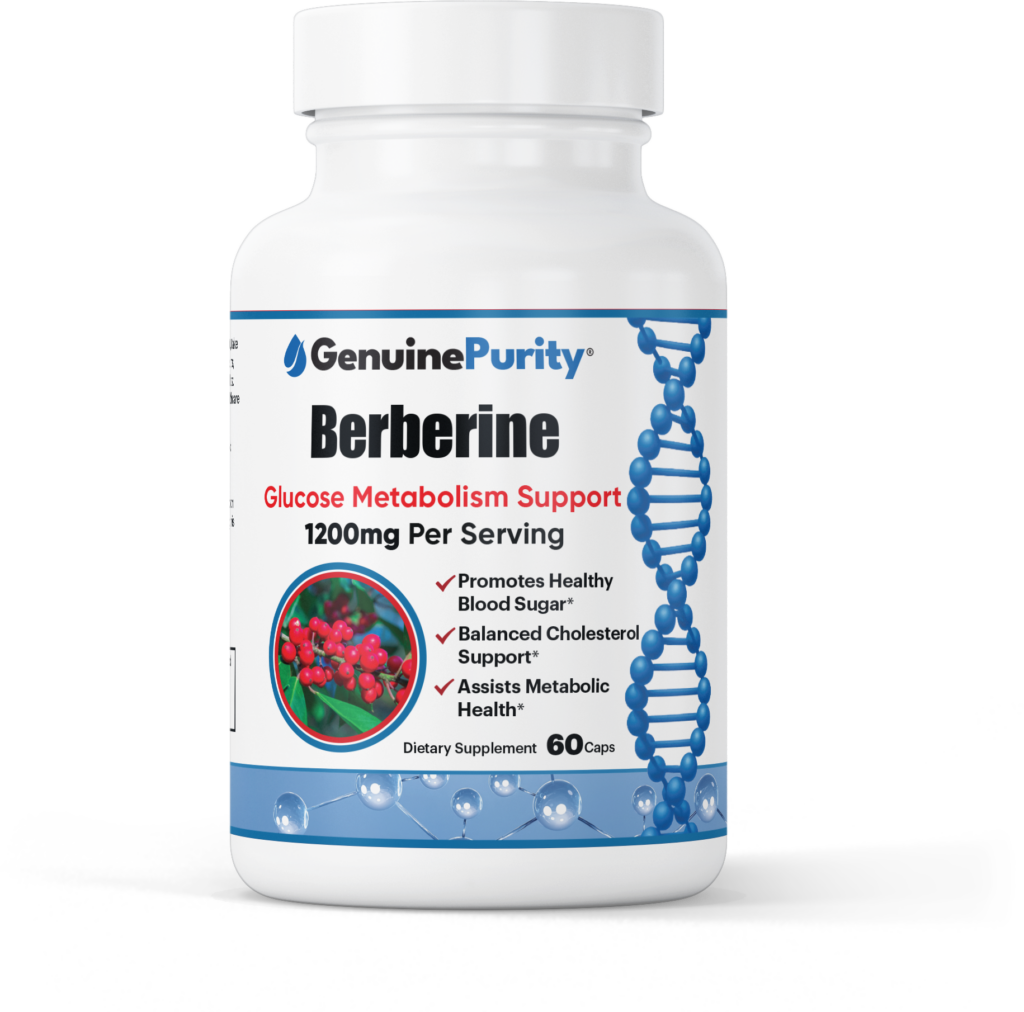
About GenuinePurity® Berberine
When it comes to supporting your metabolic health and body composition goals, the quality of your berberine supplement matters tremendously. Purity, potency, and bioavailability can make the difference between experiencing real results and wasting your money on an inferior product.
GenuinePurity® Berberine is formulated with premium-grade berberine hydrochloride, carefully extracted and rigorously tested to ensure maximum effectiveness. Every batch undergoes comprehensive third-party testing to verify purity and potency, guaranteeing that you’re getting exactly what’s on the label—pure berberine with no fillers, contaminants, or unnecessary additives.
What distinguishes GenuinePurity® Berberine is our commitment to bioavailability. We understand that berberine’s natural absorption can be limited, which is why our formulation is specifically designed to optimize uptake and ensure your body can make full use of this powerful compound. Each capsule contains 500 mg of pure berberine, making it easy to achieve the clinically studied dosages (900-1,500 mg daily) that research has shown to be effective for supporting healthy metabolism, insulin sensitivity, and body composition.
Whether you’re working to overcome metabolic resistance, optimize your body composition, support healthy weight management, or simply enhance your overall metabolic health, GenuinePurity® Berberine provides the quality and consistency you need to achieve your goals. As always, we recommend consulting with your healthcare provider to determine if berberine is appropriate for you and to discuss the optimal dosage for your individual needs and health objectives.
References
- Lee YS, Kim WS, Kim KH, et al. Berberine, a natural plant product, activates AMP-activated protein kinase with beneficial metabolic effects in diabetic and insulin-resistant states. Diabetes. 2006;55(8):2256-2264.
- Zhang Y, Li X, Zou D, et al. Treatment of type 2 diabetes and dyslipidemia with the natural plant alkaloid berberine. J Clin Endocrinol Metab. 2008;93(7):2559-2565.
- Yin J, Xing H, Ye J. Efficacy of berberine in patients with type 2 diabetes mellitus. Metabolism. 2008;57(5):712-717.
- Huang C, Zhang Y, Gong Z, et al. Berberine inhibits 3T3-L1 adipocyte differentiation through the PPARγ pathway. Biochem Biophys Res Commun. 2006;348(2):571-578.
- Yang J, Yin J, Gao H, et al. Berberine improves insulin sensitivity by inhibiting fat store and adjusting adipokines profile in human preadipocytes and metabolic syndrome patients. Evid Based Complement Alternat Med. 2012;2012:363845.
- Zhang X, Zhao Y, Zhang M, et al. Structural changes of gut microbiota during berberine-mediated prevention of obesity and insulin resistance in high-fat diet-fed rats. PLoS One. 2012;7(8):e42529.
- Jeong HW, Hsu KC, Lee JW, et al. Berberine suppresses proinflammatory responses through AMPK activation in macrophages. Am J Physiol Endocrinol Metab. 2009;296(4):E955-E964.
- Hu Y, Ehli EA, Kittelsrud J, et al. Lipid-lowering effect of berberine in human subjects and rats. Phytomedicine. 2012;19(10):861-867.
- Zhang H, Wei J, Xue R, et al. Berberine lowers blood glucose in type 2 diabetes mellitus patients through increasing insulin receptor expression. Metabolism. 2010;59(2):285-292.