

As men age, they experience a gradual decline in testosterone levels that can significantly impact their quality of life. Often referred to as “male menopause” or andropause, this natural transition typically begins after age 45 and affects millions of men worldwide. Understanding the signs and exploring natural support options can help men navigate this life stage with confidence and vitality.
What is Andropause?
Andropause, also known as late-onset hypogonadism or age-related low testosterone, refers to the gradual decrease in testosterone production that occurs in aging men. Unlike menopause in women, which happens relatively quickly, andropause is a slower process that can span several years or even decades.
Research indicates that testosterone levels decline by approximately 1-2% per year after age 30, with more noticeable effects typically appearing after 45 (Harman et al., 2001). By age 60, approximately 20% of men have testosterone levels below the normal range, and this percentage increases to 50% by age 80 (Araujo et al., 2007).
Recognizing the Signs of Andropause
The symptoms of andropause can be subtle at first and are often mistaken for normal aging. However, recognizing these signs early can help men take proactive steps to maintain their health and well-being.
Physical Symptoms
Decreased Energy and Fatigue: One of the most common complaints among men experiencing andropause is persistent tiredness that doesn’t improve with rest. This fatigue can affect work performance, exercise capacity, and overall enthusiasm for daily activities.
Reduced Muscle Mass and Strength: Testosterone plays a crucial role in maintaining muscle mass. Men with declining testosterone often notice it becomes harder to build or maintain muscle, even with regular exercise. They may also experience decreased physical strength and endurance.
Increased Body Fat: As testosterone decreases, men often notice increased fat accumulation, particularly around the abdomen. This change in body composition can occur even without significant changes in diet or activity level.
Decreased Bone Density: Lower testosterone levels can lead to reduced bone mineral density, increasing the risk of osteoporosis and fractures. This is a less visible but serious health concern that develops gradually.
Sleep Disturbances: Many men with andropause experience difficulty falling asleep, staying asleep, or achieving restful sleep. Night sweats and hot flashes, though less common than in female menopause, can also occur.
Sexual and Reproductive Symptoms
Reduced Libido: A declining interest in sexual activity is one of the hallmark symptoms of andropause. This decrease in sex drive can affect relationships and self-confidence.
Reduced Erectile Function: While not all erectile difficulties are related to low testosterone, andropause can contribute to problems achieving or maintaining erections sufficient for sexual activity.
Decreased Fertility: Although men can remain fertile throughout their lives, testosterone decline can reduce sperm production and overall fertility potential.
Cognitive and Emotional Symptoms
Mood Changes: Men experiencing andropause may notice increased irritability, mood swings, or feelings of sadness. Depression and anxiety are more common in men with low testosterone (Shores et al., 2004).
Decreased Motivation: A loss of drive and ambition, both personally and professionally, can accompany hormonal changes. Men may feel less competitive or goal-oriented than in their younger years.
Cognitive Difficulties: Some men report problems with concentration, memory, and mental clarity. These “brain fog” symptoms can be particularly frustrating and may impact work performance.
Reduced Self-Confidence: The combination of physical, sexual, and emotional changes can lead to decreased self-esteem and confidence in various areas of life.
Natural Support Options for Andropause
While hormone replacement therapy (HRT) is available for severe cases of low testosterone, HRT is only suitable for men suffering from diagnosed medical conditions. A natural approach is needed in other situations. Lifestyle modifications and natural interventions can be very effective in supporting healthy hormone levels and minimize symptoms.
Lifestyle Modifications
Regular Exercise: Both resistance training and cardiovascular exercise have been shown to support healthy testosterone levels. Strength training, in particular, can help combat muscle loss and promote testosterone production (Kumagai et al., 2016). Aim for at least 150 minutes of moderate exercise weekly, including 2-3 strength training sessions.
Optimize Sleep: Quality sleep is essential for testosterone production, as most of this hormone is produced during sleep. Men should aim for 7-9 hours of uninterrupted sleep per night. Creating a consistent sleep schedule, keeping the bedroom cool and dark, and avoiding screens before bed can improve sleep quality.
Stress Management: Chronic stress elevates cortisol levels, which can suppress testosterone production. Incorporating stress-reduction techniques such as meditation, deep breathing exercises, yoga, or tai chi can help maintain hormonal balance (Pilz et al., 2011).
Maintain Healthy Body Weight: Obesity is associated with lower testosterone levels. Losing excess weight, particularly abdominal fat, can help improve testosterone production. Even modest weight loss of 5-10% can make a significant difference.
Dietary Strategies
Consume Adequate Protein: Protein supports muscle maintenance and hormone production. Include high-quality protein sources such as lean meats, fish, eggs, legumes, and dairy products in your diet.
Healthy Fats: Testosterone is synthesized from cholesterol, making dietary fats essential. Focus on sources of healthy fats including olive oil, avocados, nuts, seeds, and fatty fish rich in omega-3 fatty acids.
Zinc-Rich Foods: Zinc is crucial for testosterone production. Include oysters, beef, pumpkin seeds, lentils, and chickpeas in your diet. Studies have shown that zinc supplementation can help improve testosterone levels in deficient individuals (Prasad et al., 1996).
Vitamin D: Often called the “sunshine vitamin,” vitamin D functions more like a hormone in the body and is associated with testosterone production. Get regular sun exposure or consider supplementation, especially during winter months. Foods rich in vitamin D include fatty fish, egg yolks, and fortified dairy products.
Cruciferous Vegetables: Vegetables like broccoli, cauliflower, Brussels sprouts, and cabbage contain compounds that may help the body eliminate excess estrogen, potentially supporting a healthier testosterone-to-estrogen ratio.
Limit Sugar and Processed Foods: High sugar intake can lead to insulin resistance and weight gain, both of which negatively impact testosterone levels. Minimize processed foods, sugary beverages, and refined carbohydrates.
Herbal and Natural Supplements
Several herbs and natural compounds have been traditionally used to support male vitality and hormonal health:
Ashwagandha: This adaptogenic herb has been shown in studies to help reduce stress and support healthy testosterone levels. Research indicates it may increase testosterone by up to 15% while also improving sperm quality and muscle strength (Wankhede et al., 2015).
Tribulus Terrestris: Long used in traditional medicine, this plant extract may support libido and sexual function, though effects on testosterone levels in healthy men are still being researched.
Fenugreek: Studies suggest that fenugreek supplementation may help improve testosterone levels, sexual function, and energy levels in men (Wilborn et al., 2010).
D-Aspartic Acid: This amino acid plays a role in the regulation and release of testosterone. Some research suggests it may temporarily boost testosterone levels, particularly in men with low initial levels.
Maca Root: This Peruvian plant has been traditionally used to enhance libido and energy. While it may not directly increase testosterone, it has been shown to improve sexual desire and function (Gonzales et al., 2002).
Ginseng: Both Korean red ginseng and American ginseng have been studied for their potential to improve erectile function, energy levels, and overall vitality in aging men.
Additional Considerations
Limit Alcohol: Excessive alcohol consumption can suppress testosterone production and increase estrogen levels. Moderation is key—limit intake to no more than 1-2 drinks per day.
Avoid Endocrine Disruptors: Chemicals found in plastics (BPA), pesticides, and personal care products can interfere with hormone production. Choose glass or stainless steel containers, eat organic when possible, and select natural personal care products.
Regular Health Screenings: Work with your healthcare provider to monitor testosterone levels, thyroid function, and other hormonal markers. Regular check-ups can help identify issues early and guide appropriate interventions.
When to See a Doctor
While natural approaches can be effective for mild to moderate symptoms, some situations warrant professional medical evaluation:
- Severe symptoms that significantly impact quality of life
- Symptoms of depression or thoughts of self-harm
- Persistent erectile dysfunction
- Significant loss of bone density or fractures
- Testosterone levels that fall well below the normal range
Your doctor can perform blood tests to measure testosterone levels and rule out other conditions that may cause similar symptoms, such as thyroid disorders, diabetes, or sleep apnea.
A Comprehensive Approach
Successfully managing andropause requires a holistic approach that addresses multiple aspects of health. No single intervention is likely to be a magic solution. Instead, combining regular exercise, proper nutrition, stress management, adequate sleep, and targeted natural supplements offers the best chance for maintaining vitality and well-being during this life transition.
Remember that andropause is a natural part of aging, not a disease. With the right knowledge and proactive steps, men can continue to enjoy active, fulfilling lives well into their later years.
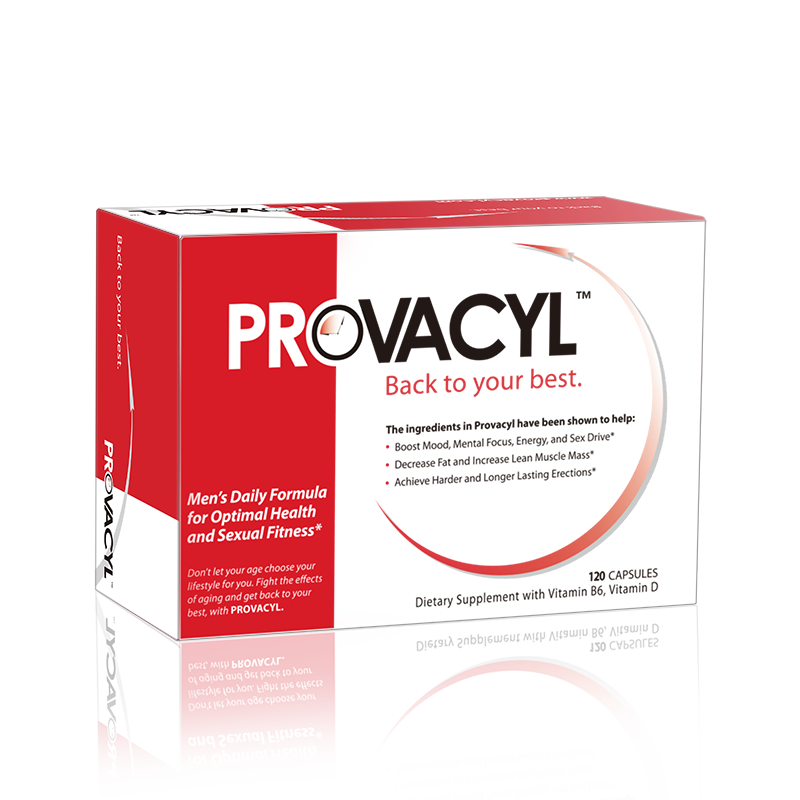
About Provacyl 120
For men seeking a comprehensive natural approach to supporting hormonal balance during andropause, Provacyl 120 offers a specialized formulation designed to address the multifaceted challenges of male aging. This natural supplement combines a synergistic blend of amino acids, herbs, and nutrients specifically selected to support the body’s own hormone production and overall male vitality.
Provacyl 120 includes key ingredients such as L-Arginine, L-Glutamine, L-Lysine, and other amino acids that serve as building blocks for hormone synthesis. The formula also incorporates time-tested herbal extracts including Tribulus Terrestris, Panax Ginseng, and Muira Puama, which have been traditionally used to support male sexual health and energy levels. Additionally, it contains important nutrients like GABA, Vitamin D3, Vitamin K2, and zinc, all of which play crucial roles in maintaining hormonal balance and overall wellness.
What sets Provacyl 120 apart is its comprehensive approach to andropause symptoms. Rather than focusing on a single aspect of male health, this formulation addresses multiple concerns simultaneously—from supporting healthy testosterone levels and improving energy to enhancing libido and promoting better sleep quality. The 120-count bottle provides a convenient monthly supply, making it easy to maintain consistency with supplementation. For men over 45 who are experiencing the signs of andropause and prefer a natural approach to supporting their hormonal health, Provacyl 120 offers a research-informed option that works with the body’s natural processes. As with any supplement, it’s advisable to consult with a healthcare provider before beginning use, especially if you have existing health conditions or take medications.
References
Araujo, A. B., Esche, G. R., Kupelian, V., O’Donnell, A. B., Travison, T. G., Williams, R. E., Clark, R. V., & McKinlay, J. B. (2007). Prevalence of symptomatic androgen deficiency in men. The Journal of Clinical Endocrinology & Metabolism, 92(11), 4241-4247.
Gonzales, G. F., Córdova, A., Vega, K., Chung, A., Villena, A., Góñez, C., & Castillo, S. (2002). Effect of Lepidium meyenii (MACA) on sexual desire and its absent relationship with serum testosterone levels in adult healthy men. Andrologia, 34(6), 367-372.
Harman, S. M., Metter, E. J., Tobin, J. D., Pearson, J., & Blackman, M. R. (2001). Longitudinal effects of aging on serum total and free testosterone levels in healthy men. The Journal of Clinical Endocrinology & Metabolism, 86(2), 724-731.
Kumagai, H., Zempo-Miyaki, A., Yoshikawa, T., Tsujimoto, T., Tanaka, K., & Maeda, S. (2016). Increased physical activity has a greater effect than reduced energy intake on lifestyle modification-induced increases in testosterone. Journal of Clinical Biochemistry and Nutrition, 58(1), 84-89.
Pilz, S., Frisch, S., Koertke, H., Kuhn, J., Dreier, J., Obermayer-Pietsch, B., Wehr, E., & Zittermann, A. (2011). Effect of vitamin D supplementation on testosterone levels in men. Hormone and Metabolic Research, 43(3), 223-225.
Prasad, A. S., Mantzoros, C. S., Beck, F. W., Hess, J. W., & Brewer, G. J. (1996). Zinc status and serum testosterone levels of healthy adults. Nutrition, 12(5), 344-348.
Shores, M. M., Sloan, K. L., Matsumoto, A. M., Moceri, V. M., Felker, B., & Kivlahan, D. R. (2004). Increased incidence of diagnosed depressive illness in hypogonadal older men. Archives of General Psychiatry, 61(2), 162-167.
Wankhede, S., Langade, D., Joshi, K., Sinha, S. R., & Bhattacharyya, S. (2015). Examining the effect of Withania somnifera supplementation on muscle strength and recovery: a randomized controlled trial. Journal of the International Society of Sports Nutrition, 12, 43.
Wilborn, C., Taylor, L., Poole, C., Foster, C., Willoughby, D., & Kreider, R. (2010). Effects of a purported aromatase and 5α-reductase inhibitor on hormone profiles in college-age men. International Journal of Sport Nutrition and Exercise Metabolism, 20(6), 457-465.