


Aging isn’t just about the number of candles on your birthday cake. While chronological age marks the passage of time, biological age tells a different story—one about how well your cells, tissues, and organs are actually functioning. The exciting news? Unlike the calendar, your biological age isn’t set in stone.
Scientists have identified several key biomarkers that reveal how your body is aging at the cellular level. Even better, research shows these markers respond to lifestyle interventions and nutritional support. Understanding these biomarkers empowers you to take meaningful action toward healthier aging.
1. NAD+ Levels: Your Cellular Energy Currency
Nicotinamide adenine dinucleotide, or NAD+, serves as a critical coenzyme in every cell of your body. It plays an essential role in converting nutrients into cellular energy and activating proteins that regulate cellular health. Think of NAD+ as the spark plugs in your cellular engine—without adequate levels, everything runs less efficiently.
The challenge? NAD+ levels decline significantly with age, dropping by as much as 50% between youth and middle age. This decline affects mitochondrial function, DNA repair, and cellular metabolism.
What you can do: Research shows that precursors like nicotinamide riboside (NR) can effectively boost NAD+ levels. Combined with regular exercise, which naturally stimulates NAD+ production, and a diet rich in NAD+ supporting foods like fish, mushrooms, and green vegetables, you can support healthy cellular energy production.
2. Mitochondrial Function: Your Cellular Powerhouses
Mitochondria generate the energy your cells need to function, producing ATP through a process called cellular respiration. As we age, mitochondrial efficiency tends to decline, leading to reduced energy production and increased oxidative stress. This decline manifests as fatigue, decreased endurance, and slower recovery.
Declining mitochondrial function affects every organ system, from your brain and heart to your muscles and immune system. When your cellular powerhouses aren’t operating optimally, you feel it throughout your entire body.
What you can do: Supporting NAD+ levels directly impacts mitochondrial health, as NAD+ is crucial for mitochondrial energy production. Interval training has been shown to promote mitochondrial biogenesis—the creation of new mitochondria. Adequate protein intake and specific nutrients like CoQ10 also support mitochondrial function.
3. Cellular Senescence: When Cells Stop Dividing
Cellular senescence occurs when cells stop dividing but don’t die. These “zombie cells” accumulate with age and secrete inflammatory compounds that can damage surrounding healthy tissue. This process, part of the senescence-associated secretory phenotype, contributes to age-related tissue dysfunction and chronic inflammation.
While some senescence serves protective purposes (preventing damaged cells from becoming cancerous), excessive accumulation of senescent cells accelerates biological aging and contributes to age-related diseases.
What you can do: Emerging research suggests that maintaining robust NAD+ levels may help support the body’s natural processes for dealing with senescent cells. Additionally, compounds found in foods like quercetin (found in apples and onions) and fisetin (found in strawberries) show promise in supporting cellular health. Regular exercise and intermittent fasting may also help the body clear senescent cells through autophagy.
4. Inflammation Levels: The Fire Within
Chronic low-grade inflammation, sometimes called “inflammaging,” increases with age and serves as a predictor of numerous age-related conditions. Unlike acute inflammation that helps you heal from injuries, chronic inflammation persists at low levels, gradually damaging tissues and organs over time.
Markers like C-reactive protein (CRP) and interleukin-6 (IL-6) can be measured through blood tests, giving you concrete data about your inflammatory status. Elevated inflammatory markers correlate with accelerated aging across multiple systems.
What you can do: An anti-inflammatory diet rich in omega-3 fatty acids, colorful vegetables, and berries can significantly impact inflammatory markers. Regular moderate exercise paradoxically reduces chronic inflammation despite causing temporary acute inflammation during workouts. Adequate sleep, stress management, and maintaining healthy NAD+ levels all contribute to balanced inflammatory responses.
5. Telomere Length: Your Cellular Clock
Telomeres are protective caps at the ends of chromosomes, often compared to the plastic tips on shoelaces. Each time a cell divides, telomeres shorten slightly. When they become too short, cells can no longer divide properly, leading to cellular senescence or death. Telomere length serves as one indicator of cellular age.
While telomere shortening is natural, the rate of shortening varies significantly between individuals based on lifestyle factors and cellular stress levels. Chronic stress, poor diet, and inadequate sleep can accelerate telomere shortening, while healthy habits can help preserve telomere length.
What you can do: Studies show that regular aerobic exercise is associated with longer telomeres. Stress reduction practices like meditation have demonstrated measurable effects on telomere length. Adequate vitamin D, omega-3 fatty acids, and antioxidants support telomere health. Emerging research also suggests that NAD+ plays a role in DNA repair mechanisms that help maintain chromosome integrity, including telomeres.
The Power of Integrated Support
What makes these biomarkers particularly valuable is that they’re interconnected. Supporting one often benefits the others. For example, boosting NAD+ levels can improve mitochondrial function, which reduces oxidative stress and inflammation, which in turn may help preserve telomere length and support healthy cellular aging.
This interconnection means that strategic interventions can create cascading positive effects throughout your biology. You’re not just addressing isolated markers—you’re supporting your body’s integrated systems for maintaining cellular health.
Taking Action on Your Biological Age
The difference between chronological and biological age represents opportunity. While you can’t stop time, you can influence how your body ages at the cellular level. The biomarkers discussed here provide concrete targets for intervention, and many can be measured through standard blood tests, giving you objective feedback on your efforts.
Start by focusing on the fundamentals: regular exercise, quality sleep, stress management, and whole-food nutrition. These form the foundation of healthy aging. From there, targeted nutritional support—including NAD+ precursors like NR—can provide additional benefits for cellular health and energy production.
Remember, supporting healthy aging isn’t about chasing immortality. It’s about optimizing healthspan—the number of years you live with vitality, mental clarity, and physical capability. By understanding and actively supporting these five key biomarkers, you’re investing in not just more years, but better years.
Your biological age is, to a significant degree, within your control. The question isn’t whether you’ll age, but how well you’ll age. With knowledge of these biomarkers and commitment to supporting them, you can take meaningful action toward aging with strength, energy, and vitality.
5 Biological Markers of Aging You Can Actually Influence
Aging isn’t just about the number of candles on your birthday cake. While chronological age marks the passage of time, biological age tells a different story—one about how well your cells, tissues, and organs are actually functioning. The exciting news? Unlike the calendar, your biological age isn’t set in stone.
Scientists have identified several key biomarkers that reveal how your body is aging at the cellular level. Even better, research shows these markers respond to lifestyle interventions and nutritional support. Understanding these biomarkers empowers you to take meaningful action toward healthier aging.
1. NAD+ Levels: Your Cellular Energy Currency
Nicotinamide adenine dinucleotide, or NAD+, serves as a critical coenzyme in every cell of your body. It plays an essential role in converting nutrients into cellular energy and activating proteins that regulate cellular health. Think of NAD+ as the spark plugs in your cellular engine—without adequate levels, everything runs less efficiently.
The challenge? NAD+ levels decline significantly with age, dropping by as much as 50% between youth and middle age. This decline affects mitochondrial function, DNA repair, and cellular metabolism.
What you can do: Research shows that precursors like nicotinamide riboside (NR) can effectively boost NAD+ levels. Combined with regular exercise, which naturally stimulates NAD+ production, and a diet rich in NAD+ supporting foods like fish, mushrooms, and green vegetables, you can support healthy cellular energy production.
2. Mitochondrial Function: Your Cellular Powerhouses
Mitochondria generate the energy your cells need to function, producing ATP through a process called cellular respiration. As we age, mitochondrial efficiency tends to decline, leading to reduced energy production and increased oxidative stress. This decline manifests as fatigue, decreased endurance, and slower recovery.
Declining mitochondrial function affects every organ system, from your brain and heart to your muscles and immune system. When your cellular powerhouses aren’t operating optimally, you feel it throughout your entire body.
What you can do: Supporting NAD+ levels directly impacts mitochondrial health, as NAD+ is crucial for mitochondrial energy production. Interval training has been shown to promote mitochondrial biogenesis—the creation of new mitochondria. Adequate protein intake and specific nutrients like CoQ10 also support mitochondrial function.
3. Cellular Senescence: When Cells Stop Dividing
Cellular senescence occurs when cells stop dividing but don’t die. These “zombie cells” accumulate with age and secrete inflammatory compounds that can damage surrounding healthy tissue. This process, part of the senescence-associated secretory phenotype, contributes to age-related tissue dysfunction and chronic inflammation.
While some senescence serves protective purposes (preventing damaged cells from becoming cancerous), excessive accumulation of senescent cells accelerates biological aging and contributes to age-related diseases.
What you can do: Emerging research suggests that maintaining robust NAD+ levels may help support the body’s natural processes for dealing with senescent cells. Additionally, compounds found in foods like quercetin (found in apples and onions) and fisetin (found in strawberries) show promise in supporting cellular health. Regular exercise and intermittent fasting may also help the body clear senescent cells through autophagy.
4. Inflammation Levels: The Fire Within
Chronic low-grade inflammation, sometimes called “inflammaging,” increases with age and serves as a predictor of numerous age-related conditions. Unlike acute inflammation that helps you heal from injuries, chronic inflammation persists at low levels, gradually damaging tissues and organs over time.
Markers like C-reactive protein (CRP) and interleukin-6 (IL-6) can be measured through blood tests, giving you concrete data about your inflammatory status. Elevated inflammatory markers correlate with accelerated aging across multiple systems.
What you can do: An anti-inflammatory diet rich in omega-3 fatty acids, colorful vegetables, and berries can significantly impact inflammatory markers. Regular moderate exercise paradoxically reduces chronic inflammation despite causing temporary acute inflammation during workouts. Adequate sleep, stress management, and maintaining healthy NAD+ levels all contribute to balanced inflammatory responses.
5. Telomere Length: Your Cellular Clock
Telomeres are protective caps at the ends of chromosomes, often compared to the plastic tips on shoelaces. Each time a cell divides, telomeres shorten slightly. When they become too short, cells can no longer divide properly, leading to cellular senescence or death. Telomere length serves as one indicator of cellular age.
While telomere shortening is natural, the rate of shortening varies significantly between individuals based on lifestyle factors and cellular stress levels. Chronic stress, poor diet, and inadequate sleep can accelerate telomere shortening, while healthy habits can help preserve telomere length.
What you can do: Studies show that regular aerobic exercise is associated with longer telomeres. Stress reduction practices like meditation have demonstrated measurable effects on telomere length. Adequate vitamin D, omega-3 fatty acids, and antioxidants support telomere health. Emerging research also suggests that NAD+ plays a role in DNA repair mechanisms that help maintain chromosome integrity, including telomeres.
The Power of Integrated Support
What makes these biomarkers particularly valuable is that they’re interconnected. Supporting one often benefits the others. For example, boosting NAD+ levels can improve mitochondrial function, which reduces oxidative stress and inflammation, which in turn may help preserve telomere length and support healthy cellular aging.
This interconnection means that strategic interventions can create cascading positive effects throughout your biology. You’re not just addressing isolated markers—you’re supporting your body’s integrated systems for maintaining cellular health.
Taking Action on Your Biological Age
The difference between chronological and biological age represents opportunity. While you can’t stop time, you can influence how your body ages at the cellular level. The biomarkers discussed here provide concrete targets for intervention, and many can be measured through standard blood tests, giving you objective feedback on your efforts.
Start by focusing on the fundamentals: regular exercise, quality sleep, stress management, and whole-food nutrition. These form the foundation of healthy aging. From there, targeted nutritional support—including NAD+ precursors like NR—can provide additional benefits for cellular health and energy production.
Remember, supporting healthy aging isn’t about chasing immortality. It’s about optimizing healthspan—the number of years you live with vitality, mental clarity, and physical capability. By understanding and actively supporting these five key biomarkers, you’re investing in not just more years, but better years.
Your biological age is, to a significant degree, within your control. The question isn’t whether you’ll age, but how well you’ll age. With knowledge of these biomarkers and commitment to supporting them, you can take meaningful action toward aging with strength, energy, and vitality.
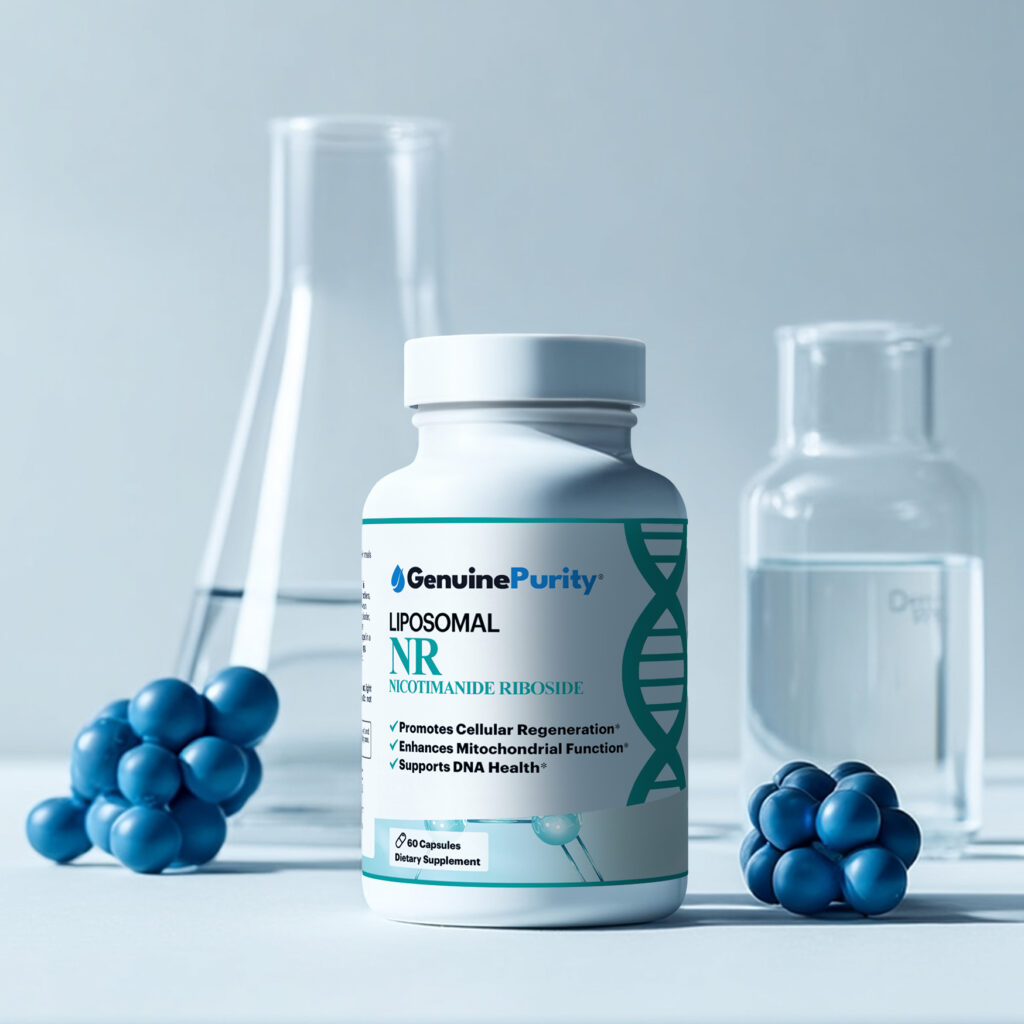
Why GenuinePurity® NR Makes a Difference
While lifestyle interventions form the foundation of healthy aging, targeted nutritional support can amplify your efforts. GenuinePurity® NR provides a high-quality, bioavailable form of nicotinamide riboside specifically designed to support your body’s NAD+ levels.
Here’s why this matters for the biomarkers we’ve discussed:
Direct NAD+ Support: As a clinically studied NAD+ precursor, NR efficiently converts to NAD+ in your cells, directly addressing the age-related decline in this crucial coenzyme. By replenishing NAD+, you’re providing your cells with the resources they need for optimal energy production and cellular maintenance.
Mitochondrial Health: With restored NAD+ levels, your mitochondria can function more efficiently, producing the cellular energy (ATP) that powers every biological process in your body. This improved mitochondrial function translates to better physical energy, mental clarity, and cellular resilience.
Supporting Cellular Repair: NAD+ is essential for activating sirtuins, proteins that play key roles in DNA repair, stress resistance, and maintaining cellular health. By supporting robust NAD+ levels, GenuinePurity® NR helps your cells maintain their repair and maintenance functions.
Systemic Benefits: Because NAD+ is involved in so many fundamental cellular processes, supporting healthy levels creates benefits throughout your body—from cardiovascular health and metabolic function to cognitive performance and immune response.
Quality You Can Trust: GenuinePurity® NR is manufactured to the highest standards, ensuring purity, potency, and bioavailability. When you’re investing in your cellular health, quality matters.
Think of GenuinePurity® NR as a force multiplier for your healthy aging efforts. When combined with exercise, good nutrition, quality sleep, and stress management, it provides comprehensive support for the biological markers that truly determine how you age. You’re not just adding years to your life—you’re adding life to your years.